50 Fun Brain Riddles for Kids

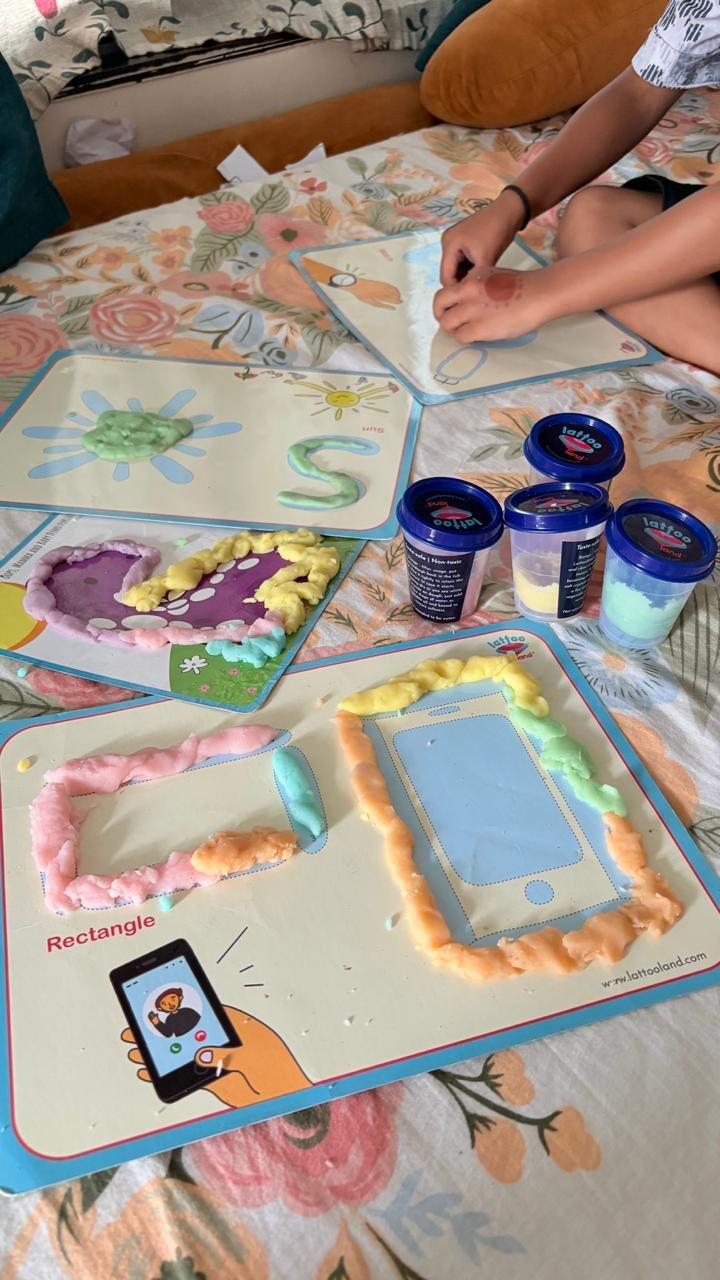
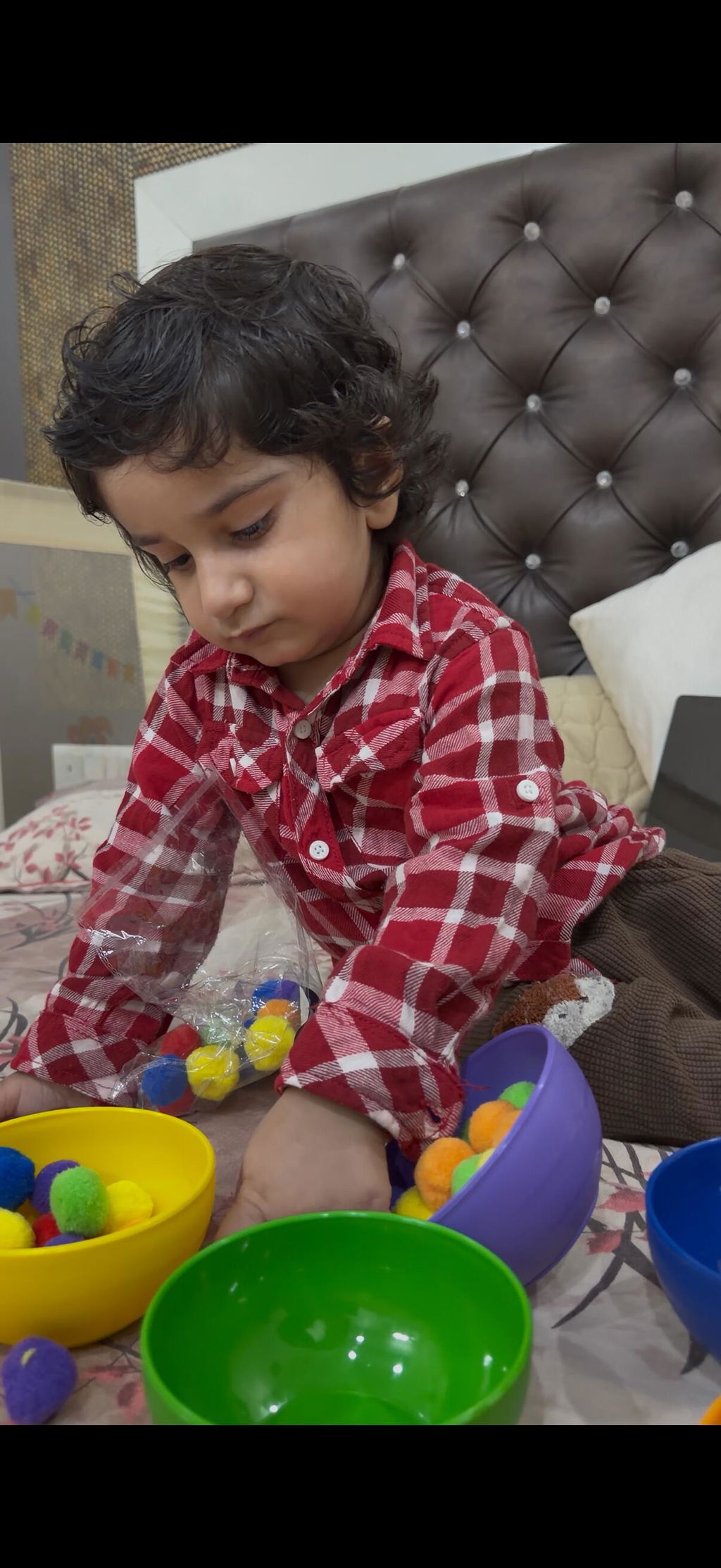
Children are naturally curious. From asking endless "why" questions to exploring how things work, young minds are constantly learning. One of the best ways to nurture this curiosity is through brain riddle games for kids. Brain riddles are more than just entertaining puzzles. They encourage children to think critically, solve problems independently, improve memory, and develop language skills. Whether you're a parent looking for screen-free activities or an educator searching for engaging learning tools, brain riddle games can be a valuable addition to your child's daily routine.
In this guide, we'll explore the benefits of brain riddles, how they support early childhood development, and share fun riddles and activities that children will love.
What Are Brain Riddle Games?
Brain riddle games are puzzles, questions, or challenges that require children to think creatively and use logic to find an answer. Unlike straightforward questions, riddles encourage kids to analyze clues, make connections, and think outside the box. Brain riddle games are fun mental challenges designed to encourage children to think critically, solve problems, and use their imagination. These puzzles often involve clues, patterns, or tricky questions that require kids to apply logic and reasoning to discover the correct answer. Unlike simple question-and-answer activities, riddles help children develop analytical thinking, creativity, and decision-making skills. When tailored to a child's age and ability level, brain riddles become an enjoyable way to support learning, boost confidence, and strengthen cognitive development through play. For young children, riddles can be simple and age-appropriate while still offering valuable learning opportunities.
Shop our brain-boosting learning toys

- Rs. 499.00
-
Rs. 799.00 - Rs. 499.00
- Unit price
- per


- Rs. 1,299.00
-
Rs. 1,999.00 - Rs. 1,299.00
- Unit price
- per


- Rs. 1,149.00
-
Rs. 1,698.00 - Rs. 1,149.00
- Unit price
- per

- Rs. 3,899.00
-
Rs. 4,499.00 - Rs. 3,899.00
- Unit price
- per
Why Brain Riddle Games Are Important for Early Childhood Development
Brain riddle games play a valuable role in supporting a child's early development by encouraging them to think, reason, and solve problems independently. As children work through clues and challenges, they strengthen critical thinking skills, improve memory, and enhance their ability to focus. Riddles also help expand vocabulary, boost language development, and encourage creative thinking by prompting children to explore different solutions. Most importantly, successfully solving a riddle builds confidence and a sense of accomplishment, making learning both fun and rewarding. Through regular play, brain riddles help lay a strong foundation for future academic success and lifelong problem-solving skills.
Brain riddle games support development in several important ways.
1. Strengthen Critical Thinking Skills : Riddles encourage children to analyze information and consider multiple possibilities before arriving at an answer. Instead of memorizing facts, kids learn how to think independently and solve problems creatively.
2. Improve Memory and Concentration : Many riddles require children to remember clues and connect different pieces of information. This strengthens working memory and improves attention span, skills that are essential for academic success.
3. Build Language and Vocabulary Skills : Listening to riddles exposes children to new words and sentence structures. As they attempt to solve riddles, they develop communication skills and expand their vocabulary naturally.
4. Encourage Creativity : Brain riddles often have unexpected answers.This encourages children to think creatively and explore different perspectives, helping them become flexible thinkers.
5. Boost Confidence : Successfully solving a riddle gives children a sense of achievement. Each solved puzzle builds confidence and motivates them to tackle more challenging problems.
More clever educational play picks


- Rs. 599.00
-
- Rs. 599.00
- Unit price
- per


- Rs. 249.00
-
- Rs. 249.00
- Unit price
- per


- Rs. 249.00
-
- Rs. 249.00
- Unit price
- per


- Rs. 2,999.00
-
Rs. 2,999.00 - Rs. 2,999.00
- Unit price
- per
50 Educational Brain Riddles Every Kid Will Love
1: What has hands but cannot clap?
Answer : A Clock
2: I am yellow and shine in the sky. What am I?
Answer : The Sun
3: What gets wetter as it dries?
Answer : A towel
4: What has keys but can't open locks?
Answer : A piano
5: What has a neck but no head?
Answer : A bottle
6: What goes up but never comes down?
Answer : Your age
7: What has one eye but cannot see?
Answer : A needle
8: What is full of holes but still holds water?
Answer : A sponge
9: What can travel around the world while staying in one corner?
Answer : A stamp
10 : What has four legs but cannot walk?
Answer : A table
11: What comes down but never goes up?
Answer : Rain
12: What kind of tree can you carry in your hand?
Answer : A palm tree
13: What has an endless supply of letters but starts empty?
Answer : A mailbox
14: What has a thumb and four fingers but isn't alive?
Answer : A glove
15 : What runs but never walks?
Answer : Water
16: What has many teeth but can't bite?
Answer : A comb
17: What belongs to you but is used more by others?
Answer : Your name
18: What can you catch but not throw?
Answer : A cold
19: What has a ring but no finger?
Answer : A telephone
20: What goes through cities and fields but never moves?
Answer : A road
21: What kind of room has no doors or windows?
Answer : A mushroom
22: What starts with T, ends with T, and has T in it?
Answer : A teapot
23: What has a head and a tail but no body?
Answer : A coin
24: What gets bigger the more you take away?
Answer : A hole
25: What can you break without touching it?
Answer : A promise
26: What has ears but cannot hear?
Answer : A cornfield
27: What can be cracked, made, told, and played?
Answer : A joke
28: What is always in front of you but can't be seen?
Answer : The future
29: What has legs but doesn't walk?
Answer : A chair
30: What kind of coat is always wet when you put it on?
Answer : A coat of paint
31: I am tall when I am young and short when I am old. What am I?
Answer : A candle
32: What has words but never speaks?
Answer : A book
33: What can fill a room but takes up no space?
Answer : Light
34: What has one head, one foot, and four legs?
Answer : A bed
35: What can you hold without touching it?
Answer : A conversation
36: Which month has 28 days?
Answer : All of them
37: What begins with an E but only contains one letter?
Answer : An envelope
38: What kind of band never plays music?
Answer : A rubber band
39: What goes up when rain comes down?
Answer : An umbrella
40: What has an eye at the end but cannot see?
Answer : A potato
41: What is easy to get into but hard to get out of?
Answer : Trouble
42: What flies without wings?
Answer : Time
43: What can you hear but not touch or see?
Answer : Your voice
44: What has branches but no fruit, trunk, or leaves?
Answer A bank
45: What comes once in a minute, twice in a moment, but never in a thousand years?
Answer The letter M
46: What can you keep after giving it away?
Answer Your word
47: What kind of cup doesn't hold water?
Answer A cupcake
48: What can be seen once in a year, twice in a week, but never in a day?
Answer The letter E
49: What is so fragile that saying its name breaks it?
Answer Silence
50: What has cities, rivers, and mountains but no houses, water, or trees?
Answer A map
Brain riddle games for kids are a simple yet powerful tool for supporting early childhood development. They strengthen critical thinking, improve memory, build vocabulary, encourage creativity, and boost confidence all while making learning enjoyable. Whether you're asking riddles during playtime, creating treasure hunts, or incorporating sensory activities, these brain-boosting games provide valuable opportunities for growth and discovery.
The best part? Children see them as fun, while parents know they're helping build essential skills for future learning success. So the next time your child asks for a game, try a brain riddle. You might be surprised at how much learning can happen through a simple question and a little imagination.
Featured Products


- Rs. 599.00
-
Rs. 999.00 - Rs. 599.00
- Unit price
- per


- Rs. 1,799.00
-
Rs. 2,199.00 - Rs. 1,799.00
- Unit price
- per


- Rs. 899.00
-
Rs. 1,099.00 - Rs. 899.00
- Unit price
- per
- Rs. 499.00
-
Rs. 799.00 - Rs. 499.00
- Unit price
- per