Best Learning Activities for 3-Year-Olds: Easy, Educational & Screen-Free Ideas

Three-year-olds are naturally curious. They ask endless questions, love to explore, and learn best by doing rather than watching. This is the perfect age to introduce engaging, hands-on activities that build essential life skills while keeping screen time to a minimum.
The good news? Learning at this age doesn't require expensive toys or structured lessons. Simple, screen-free activities can help your child develop fine motor skills, language, creativity, problem-solving abilities, and social confidence all while having fun.
Whether you're a parent looking for productive ways to keep your little one engaged or a preschool teacher planning meaningful activities, this guide shares the best learning activities for 3-year-olds that combine play with education.
Why Screen-Free Learning Matters at Age 3
According to child development experts, children learn best through active play and real-world experiences. While educational apps can have a place, hands-on activities encourage children to think, create, communicate, and solve problems in ways that screens simply can't replicate.
- Screen-free play helps children:
- Develop fine and gross motor skills
- Improve language and communication
- Strengthen creativity and imagination
- Build focus and attention span
- Encourage independent thinking
- Promote emotional and social development
The goal isn't just to keep children busy it's to help them grow through meaningful experiences.
What Should a 3-Year-Old Be Learning?
At three years old, children are developing skills across many areas, including:
- Recognizing colors and basic shapes
- Counting small numbers
- Expanding vocabulary
- Improving fine motor control
- Developing hand-eye coordination
- Following simple instructions
- Solving basic problems
- Expressing emotions
- Engaging in imaginative play
The activities below support these developmental milestones while making learning enjoyable.
1. Sensory Bin Exploration
Sensory bins are one of the most effective learning tools for preschoolers. Fill a container with colored rice, kinetic sand, dried pasta, or taste-safe sensory materials, then add scoops, cups, toy animals, or alphabet letters.
Skills Developed
- Fine motor skills
- Sensory processing
- Language development
- Creativity
- Problem-solving
Pro Tip: Change the theme weekly—farm, ocean, dinosaurs, or seasons—to keep children excited.
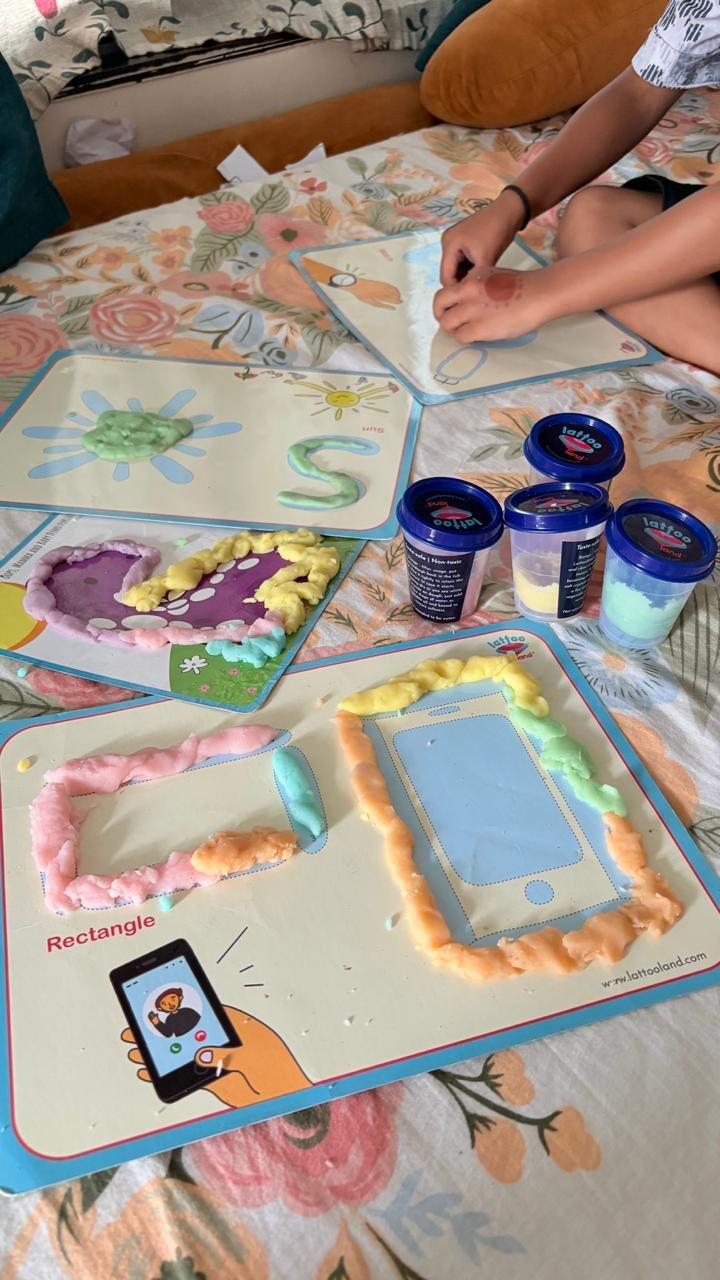
2. Play Dough Activities
Play dough is more than just fun it strengthens little hands and prepares children for writing.
Encourage your child to:
- Roll balls
- Make snakes
- Cut shapes
- Stamp letters
- Build animals
-
Skills Developed
- Finger strength
- Hand-eye coordination
- Creativity
- Pre-writing skills
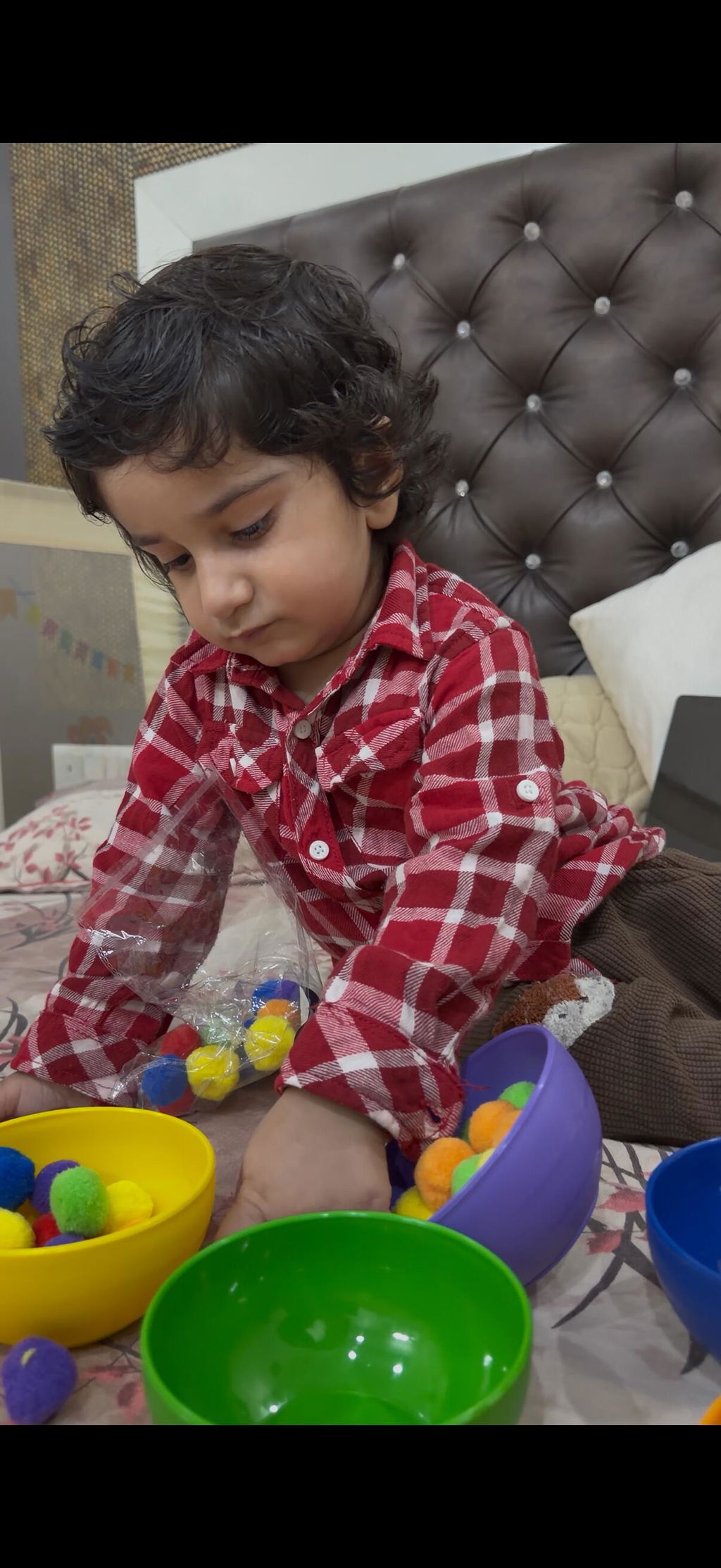
3. Color Sorting Games
Gather colorful pom-poms, blocks, buttons, or paper circles and ask your child to sort them into matching bowls.
Skills Developed
- Color recognition
- Early math concepts
- Concentration
- Logical thinking
Sorting games are simple but highly effective for developing early cognitive skills.

- Rs. 1,399.00
-
Rs. 1,999.00 - Rs. 1,399.00
- Unit price
- per

- Rs. 499.00
-
Rs. 799.00 - Rs. 499.00
- Unit price
- per


- Rs. 899.00
-
Rs. 1,099.00 - Rs. 899.00
- Unit price
- per


- Rs. 1,099.00
-
- Rs. 1,099.00
- Unit price
- per


- Rs. 599.00
-
Rs. 999.00 - Rs. 599.00
- Unit price
- per


- Rs. 699.00
-
Rs. 999.00 - Rs. 699.00
- Unit price
- per
4. Story Time with Questions
Reading together every day builds vocabulary and strengthens communication skills.
Instead of simply reading the story, ask questions like:
- What do you think will happen next?
- Which character do you like?
- Can you find something red?
Interactive reading improves comprehension and critical thinking.
5. Scissor Skills Practice
Once your child is ready, introduce child-safe scissors with simple cutting activities.
Start with:
- Straight lines
- Thick strips of paper
- Fringe cutting
- Curved lines
- Skills Developed
- Fine motor control
- Bilateral coordination
- Hand strength
- Focus
Always supervise cutting activities closely.
6. Nature Treasure Hunt
Take learning outdoors by asking your child to collect items such as:
- Leaves
- Flowers
- Pebbles
- Sticks
- Feathers
Once home, sort the items by color, size, or texture.
Skills Developed
- Observation
- Science awareness
- Vocabulary
- Classification skills
Nature walks also encourage physical activity and curiosity.
7. Building Blocks and Construction Play
Building towers, bridges, and houses encourages children to experiment and solve problems.
Ask questions like:
- How can we make it taller?
- Why did it fall?
- What should we build next?
Skills Developed
- STEM thinking
- Spatial awareness
- Creativity
- Patience
8. Matching and Memory Games
Simple matching cards improve concentration and visual memory.
Try matching:
- Animals
- Fruits
- Vehicles
- Shapes
- Letters
Children enjoy turning learning into a game while strengthening recall skills.
9. Art and Craft Activities
Painting, coloring, stamping, and collage-making help children express themselves creatively.
Offer:
-
Finger paints
- Washable markers
- Crayons
- Stickers
- Colored paper
Art activities improve hand control while boosting confidence and imagination.
10. Pretend Play
Pretend play encourages children to act out real-life situations.
Create pretend scenarios like:
- Grocery store
- Doctor's clinic
- Kitchen
- School
- Construction site
- Skills Developed
- Communication
- Emotional intelligence
- Creativity
- Social skills
Pretend play also expands vocabulary as children imitate conversations.
Tips for Making Learning Fun
Children learn best when they feel relaxed and engaged.
- Keep these tips in mind:
- Follow your child's interests.
- Rotate activities regularly.
- Keep sessions short (15–20 minutes).
- Celebrate effort instead of perfection.
- Join in the play whenever possible.
Remember, everyday moments like cooking, gardening, or tidying up also offer valuable learning opportunities.
The best learning activities for 3-year-olds don't require complicated lesson plans or expensive equipment. A sensory bin, a box of blocks, a piece of paper, or a walk in nature can become powerful learning experiences when children are encouraged to explore through play. At this age, curiosity is a child's greatest teacher. By offering screen-free, hands-on activities every day, you're helping your little one develop the confidence, creativity, and foundational skills they'll carry into preschool and beyond.
Remember, the goal isn't to teach everything at once it's to create joyful moments that inspire a lifelong love of learning.
Featured Products
- Rs. 599.00
-
Rs. 999.00 - Rs. 599.00
- Unit price
- per
- Rs. 1,399.00
-
Rs. 1,999.00 - Rs. 1,399.00
- Unit price
- per

- Rs. 3,899.00
-
Rs. 4,499.00 - Rs. 3,899.00
- Unit price
- per


- Rs. 1,799.00
-
Rs. 2,199.00 - Rs. 1,799.00
- Unit price
- per