Play to Pen: Building Pre-Writing Skills with Clay Dough

Before children learn to hold a pencil and write letters, they must first develop strong hands, flexible fingers, and good hand–eye coordination. This early foundation is known as pre-writing skills, and one of the most effective (and fun) ways to build them is through clay dough play. Clay dough may look like simple playtime, but behind every squeeze, roll, and pinch is powerful developmental learning taking place.
Why Pre-Writing Skills Matter
Pre-writing skills prepare children for writing by strengthening the small muscles in the hands and fingers, improving coordination, and teaching control. Without these skills, children may struggle with:
- Pencil grip
- Letter formation
- Writing endurance
- Hand fatigue
Developing these skills early makes the transition from play to pen smooth and stress-free.
How Clay Dough Supports Pre-Writing Development
1. Strengthens Fine Motor Muscles
Squeezing, pinching, pulling, and rolling clay dough helps strengthen the fingers, wrists, and hands essential muscles needed for holding a pencil properly.
2. Improves Hand–Eye Coordination
When children shape letters, numbers, or objects with dough, they practice coordinating what they see with how their hands move.
3. Builds Finger Control and Dexterity
Activities like making small balls, thin snakes, or pressing patterns encourage precise finger movements, which directly support writing control.
4. Encourages Proper Pencil Grip Readiness
Strong fingers and hands help children naturally develop a stable tripod grip when they begin writing, reducing frustration later.
Clay Dough Activities to Boost Pre-Writing Skills
Shop our pre-writing skill builders

- Rs. 1,399.00
-
Rs. 1,999.00 - Rs. 1,399.00
- Unit price
- per

- Rs. 799.00
-
Rs. 999.00 - Rs. 799.00
- Unit price
- per


- Rs. 599.00
-
- Rs. 599.00
- Unit price
- per

- Rs. 3,899.00
-
Rs. 4,499.00 - Rs. 3,899.00
- Unit price
- per
-
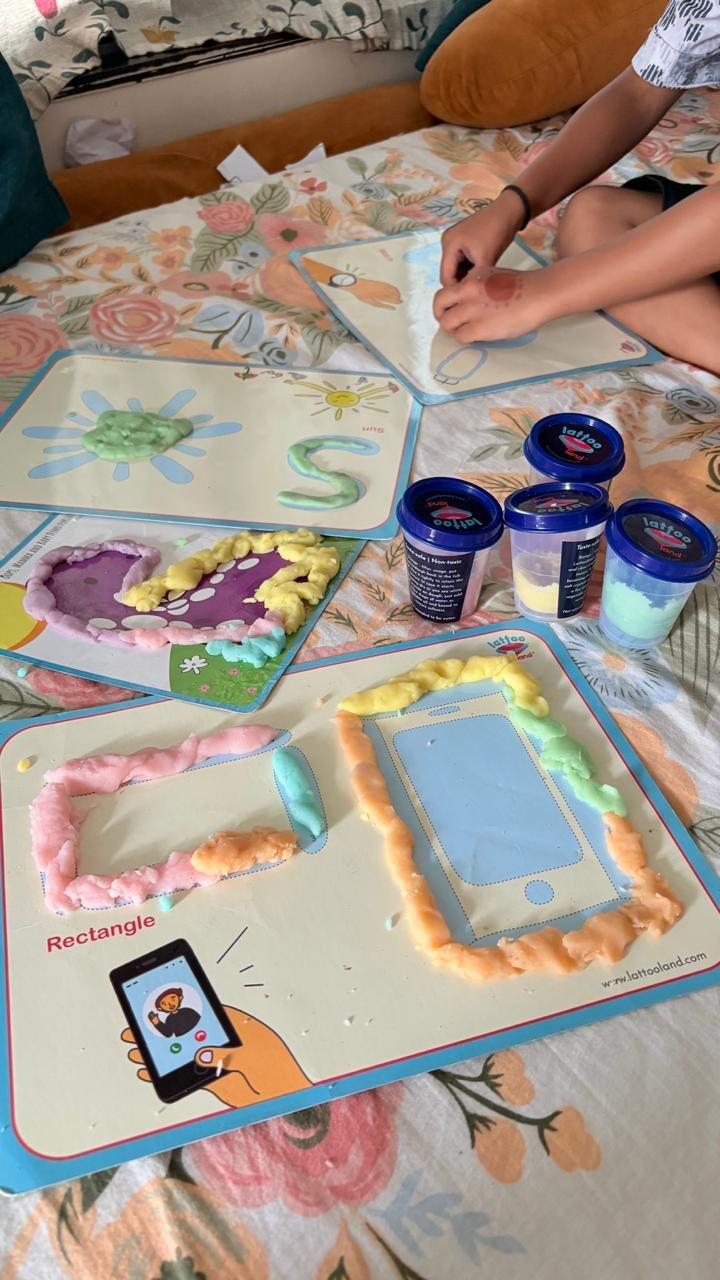
Roll and Pinch : Ask children to roll dough into long lines or pinch small pieces. These actions strengthen the same muscles used to write strokes.
-
Letter and Shape Formation : Form letters, numbers, or basic shapes using dough. This helps children understand letter structure before writing them on paper.
-
Press and Pattern Play : Use tools, stamps, or fingers to press patterns into the dough. This improves finger isolation and control.
- Free Creative Play : Open-ended play allows children to explore textures and movements, supporting creativity while strengthening motor skills.
Sensory Benefits of Clay Dough Play
Clay dough isn’t just great for motor skills it also supports sensory development. The soft, moldable texture helps children:
- Calm their nervous system
- Improve focus and attention
- Explore tactile sensations safely
This makes clay dough especially helpful for toddlers, preschoolers, and children who need extra sensory input.
Tips for Parents and Educators
More fine motor writing toys


- Rs. 2,999.00
-
Rs. 2,999.00 - Rs. 2,999.00
- Unit price
- per


- Rs. 599.00
-
Rs. 749.00 - Rs. 599.00
- Unit price
- per


- Rs. 249.00
-
- Rs. 249.00
- Unit price
- per


- Rs. 1,149.00
-
Rs. 1,698.00 - Rs. 1,149.00
- Unit price
- per
- Choose non-toxic, child-safe clay dough
- Encourage daily short play sessions (10–15 minutes is enough)
- Combine dough play with flashcard
- Celebrate effort, not perfection
Remember, learning through play is the most effective way for young children to grow.
Clay dough bridges the gap between playful exploration and formal writing. What begins as fun, hands-on play quietly builds the strength, confidence, and skills children need to succeed with a pencil. By including clay dough in everyday play, you’re not just entertaining your child you’re preparing them for a lifetime of learning, one squeeze at a time.
And when that play is supported by the right tools, like the Pre‑Writing Complete Learning Set for Kids, the journey from play to pen becomes even more meaningful.
Featured Products


- Rs. 599.00
-
Rs. 999.00 - Rs. 599.00
- Unit price
- per
- Rs. 1,399.00
-
Rs. 1,999.00 - Rs. 1,399.00
- Unit price
- per


- Rs. 699.00
-
Rs. 799.00 - Rs. 699.00
- Unit price
- per
- Rs. 3,899.00
-
Rs. 4,499.00 - Rs. 3,899.00
- Unit price
- per