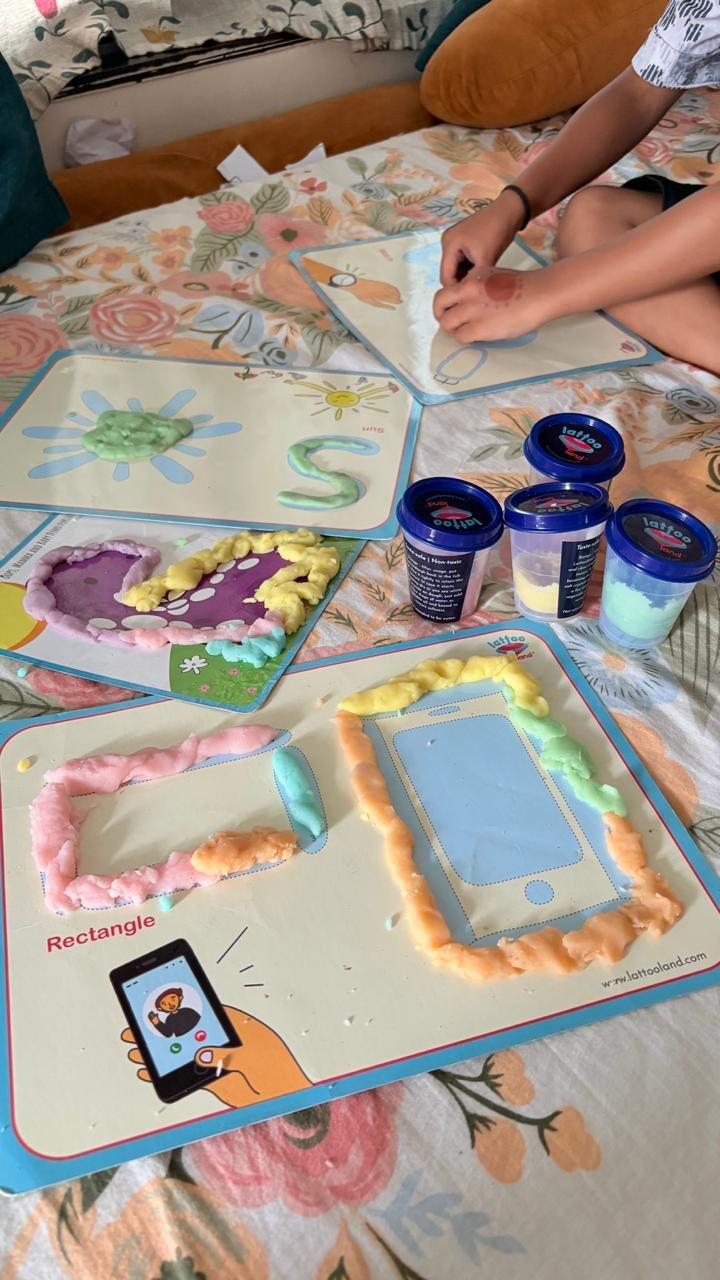
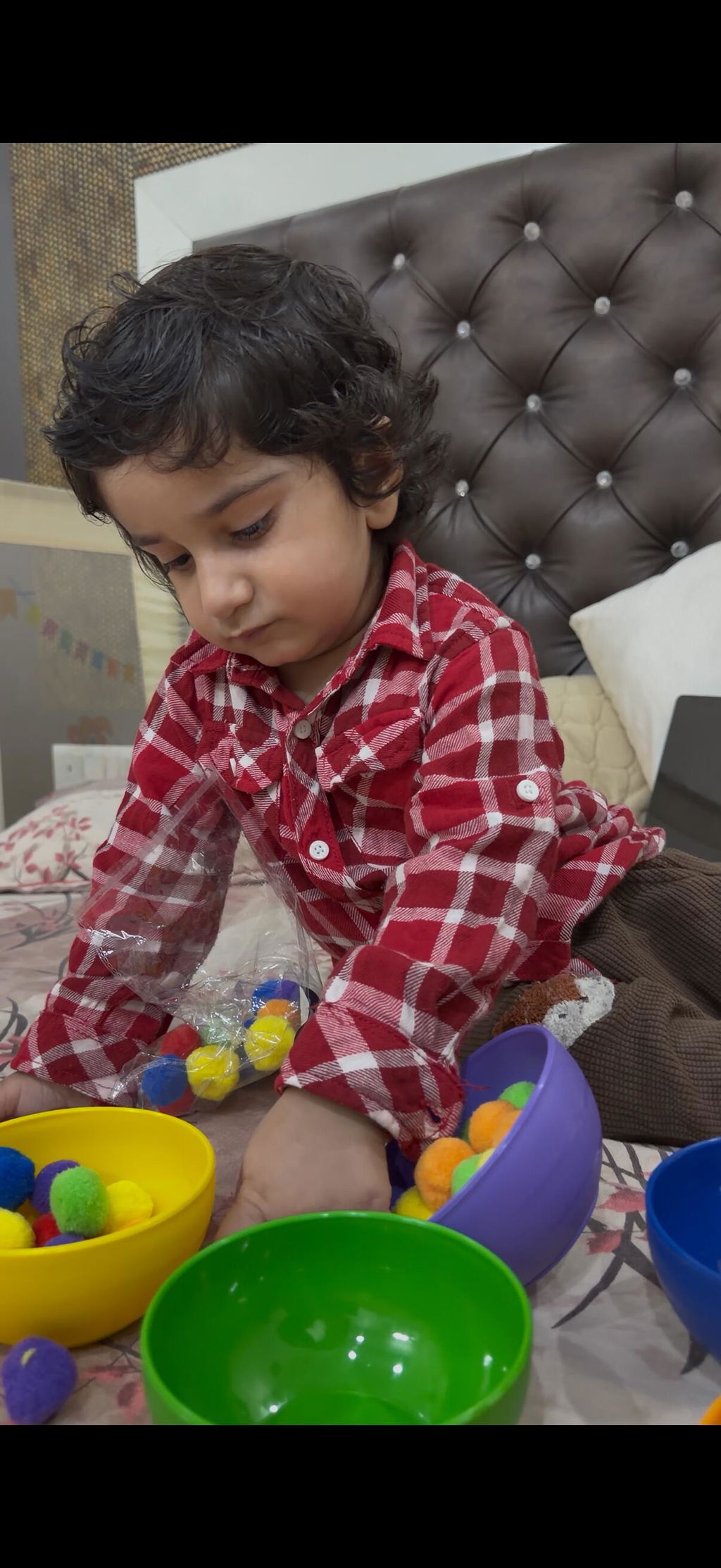
The Importance of Finger Painting in Early Childhood Development

Finger painting is more than just a fun, messy activity it’s a powerful developmental tool that plays a crucial role in shaping a child’s early learning journey. In today’s digital age, where screens dominate attention, hands-on sensory activities like finger painting provide a much-needed balance for toddlers and preschoolers. For young children, especially toddlers and preschoolers, finger painting isn’t just play—it’s a rich learning experience that supports their overall development in multiple ways.
What Is Finger Painting?
Finger painting is a joyful and creative activity in which children use their hands and fingers instead of brushes to apply paint onto a surface. This simple yet engaging form of art allows young minds to explore colors, textures, and patterns in a completely free and unstructured way. Unlike traditional painting methods, finger painting removes limitations and gives children the freedom to experiment, make a mess, and truly enjoy the process of creating.
It encourages:
- Free expression
- Sensory exploration
- Hands-on learning
Children can express their thoughts, feelings, and imagination without worrying about rules or perfection. It also supports sensory exploration, as kids experience the texture of paint, the blending of colors, and the movement of their hands across the surface. This sensory play is important for brain development and helps build awareness through touch.
Why Finger Painting Is Important for Early Childhood Development
Finger painting supports multiple areas of development simultaneously, making it one of the most effective early learning activities.
1. Develops Fine Motor Skills
The act of swirling, dabbing, and spreading paint strengthens small hand muscles. These movements are crucial for developing fine motor skills, which later support important tasks like writing, buttoning clothes, and holding utensils. When children dip, swirl, and spread paint, they strengthen:
- Finger muscles
- Hand control
- Hand-eye coordination
👉 These skills are essential for:
- Writing
- Buttoning clothes
- Holding tools
2. Enhances Sensory Development
Finger painting is a full sensory activity. Children explore textures, colors, and movement using their hands, which helps stimulate their senses. The feeling of paint between their fingers encourages curiosity and builds awareness of touch an essential part of early brain development. Finger painting is a multi-sensory experience. Kids feel:
- Texture (smooth, sticky, wet)
- Temperature
- Movement
This helps in:
- Sensory processing
- Brain development
- Emotional regulation
👉 It’s especially beneficial for children who need sensory stimulation.
3. Boosts Creativity & Imagination
When children dip their fingers into paint, there are no rules just possibilities & creativity. They are free to express their thoughts, emotions, and ideas visually. This kind of open-ended play nurtures creativity, encourages self-expression, and helps develop independent thinking.
Shop our safe finger paints


- Rs. 699.00
-
Rs. 999.00 - Rs. 699.00
- Unit price
- per

- Rs. 499.00
-
- Rs. 499.00
- Unit price
- per


- Rs. 399.00
-
- Rs. 399.00
- Unit price
- per


- Rs. 599.00
-
- Rs. 599.00
- Unit price
- per
- Children can:
- Mix colors
- Create shapes
- Express emotions
👉 This builds:
- Independent thinking
- Problem-solving skills
- Creative confidence
4. Supports Language Development
While painting, children often describe what they are doing or respond to questions from parents and caregivers. This interaction helps expand vocabulary, improve communication skills, and boost confidence in expressing ideas. Finger painting sessions often turn into conversations:
- “What are you making?”
- “Which color is this?”
This helps children:
- Learn new vocabulary
- Express thoughts
- Improve communication skills
👉 Parents can turn playtime into learning time effortlessly.
5. Encourages Emotional Expression
Young children often find it difficult to express emotions through words. Finger painting gives them a safe and creative outlet to communicate feelings like joy, excitement, or even frustration. It can be both calming and therapeutic. Finger painting gives them a safe outlet to:
- Release frustration
- Show happiness
- Explore feelings
👉 It’s widely used in play therapy and early education programs.
6. Improves Hand-Eye Coordination & Focus
As children experiment with creating shapes, patterns, and simple drawings, they naturally begin to connect what they see with how their hands move. This process helps strengthen hand-eye coordination, allowing them to better control their movements with purpose and precision. Over time, these small actions build confidence and improve their ability to perform everyday tasks. Strong hand-eye coordination is essential for activities like writing, drawing, eating, and even playing. Through fun and creative experiences like painting, children develop this important skill in a natural and engaging way, setting a strong foundation for their overall growth and development.
- Patience
- Concentration
- Engagement
👉 This helps kids:
- Stay focused longer
- Build attention span
- Develop mindfulness
Ideal Age for Finger Painting
Finger painting can be introduced early, but the right age and approach matter to ensure safety and maximum developmental benefits.
6–12 Months (Early Exploration)
At this stage, babies are naturally curious and drawn to sensory experiences. It’s best to use edible materials to ensure safety. Focus more on touch and texture rather than creativity or outcomes. Always supervise them closely during playtime. This phase is all about safe sensory exploration, as babies often explore the world by putting things in their mouths.
More creative painting play picks


- Rs. 399.00
-
- Rs. 399.00
- Unit price
- per

- Rs. 1,399.00
-
Rs. 1,999.00 - Rs. 1,399.00
- Unit price
- per


- Rs. 1,999.00
-
Rs. 2,299.00 - Rs. 1,999.00
- Unit price
- per


- Rs. 249.00
-
- Rs. 249.00
- Unit price
- per
- Focus on touch and texture, not creativity
- Always provide constant supervision
👉 This stage is all about safe sensory play, as babies tend to put everything in their mouth.
1–2 Years (Guided Play)
During this stage, toddlers become more active and curious about their surroundings. They start exploring materials with greater interest and enthusiasm. Guided play helps them learn safely while encouraging creativity, sensory discovery, and early motor skill development in a fun and engaging way.
- Introduce non-toxic, baby-safe finger paints
- Keep sessions short and simple
- Encourage basic actions like tapping, smearing, and spreading
👉Expect mess—this is part of the learning process.
2–5 Years (Creative Development Stage)
This is the perfect age for introducing finger painting, as children are ready to explore and express themselves more freely. At this stage, they enjoy experimenting with colors, patterns, and textures while developing their imagination. Finger painting helps enhance creativity, improve fine motor skills, and build confidence. It also encourages independent thinking and allows children to express their ideas in a fun and engaging way.
- Kids can follow simple instructions
- They begin to recognize colors and shapes
- Creativity and imagination start to grow
👉 At this stage, finger painting supports motor skills, creativity, and emotional expression.
How to Choose the Best Finger Paint for Kids
When buying finger paint, look for:
✅ Non-toxic & Safe Ingredients
✅ Washable formula
✅ Skin-safe ingredients
✅ Bright, engaging colors
👉 Avoid low-quality paints that may contain harmful chemicals.
Finger painting is not just about fun it’s a foundational activity that supports a child’s physical, emotional, and cognitive development. From building motor skills to boosting creativity, the benefits are endless. In a world filled with digital distractions, introducing your child to simple, hands-on activities like finger painting can make a lasting impact.
Featured Products


- Rs. 599.00
-
Rs. 999.00 - Rs. 599.00
- Unit price
- per
- Rs. 1,399.00
-
Rs. 1,999.00 - Rs. 1,399.00
- Unit price
- per


- Rs. 699.00
-
Rs. 799.00 - Rs. 699.00
- Unit price
- per


- Rs. 1,799.00
-
Rs. 2,199.00 - Rs. 1,799.00
- Unit price
- per