The Role of Sensory Bins in Developing Young Minds

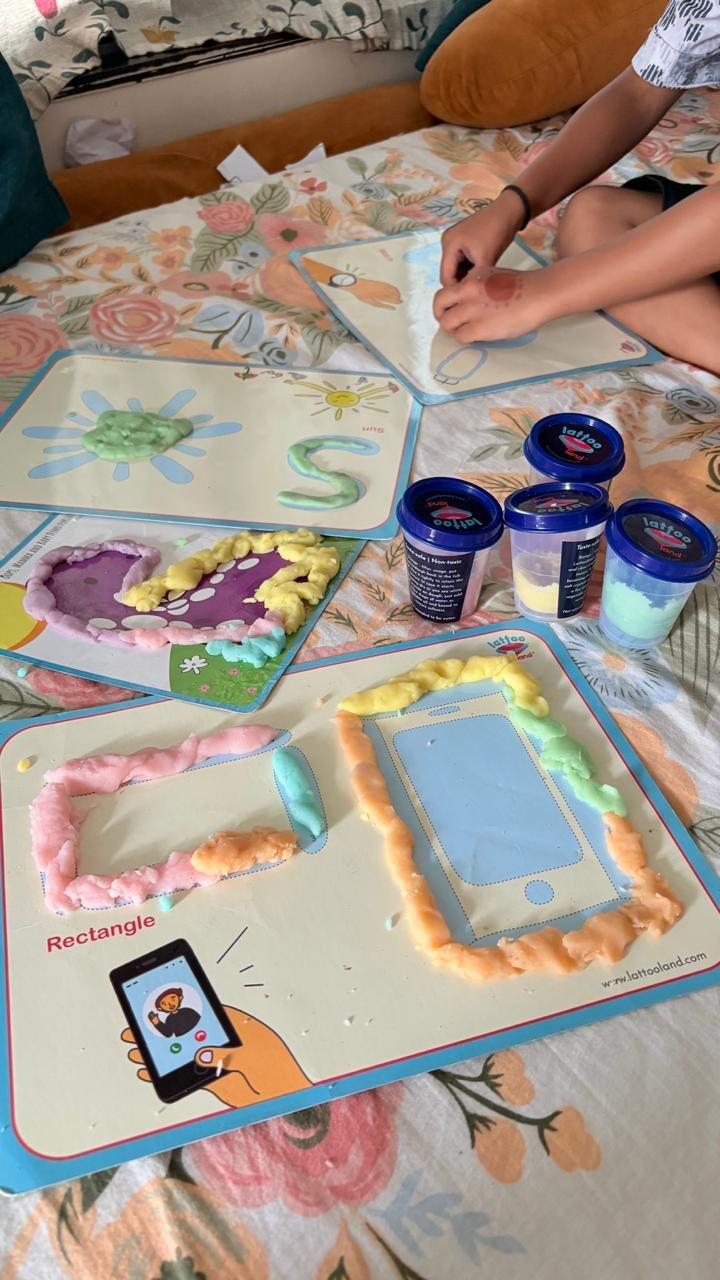
In today's digital world, children are spending more time on screens than ever before. While technology has its benefits, nothing can replace the value of hands-on, sensory-rich experiences during the early years of childhood. One of the simplest yet most effective ways to encourage learning through play is by introducing sensory bins. Filled with colorful materials, interesting textures, and engaging objects, sensory bins invite children to explore, imagine, and discover at their own pace. What may look like a simple container of rice, sand, or beans is actually a powerful learning tool that supports a child's physical, cognitive, emotional, and social development.
Whether you're a parent looking for educational activities at home or a teacher planning classroom experiences, sensory bins offer endless opportunities for meaningful play. In this guide, we'll explore the important role sensory bins play in developing young minds and why they deserve a place in every child's learning journey.
What Is a Sensory Bin?
A sensory bin is a container filled with materials that stimulate one or more of a child's senses. It may include fillers such as colored rice, kinetic sand, shredded paper, pasta, water beads (for older children under supervision), or natural items like leaves and pebbles. Small scoops, cups, toy animals, alphabet letters, or themed objects are often added to encourage exploration and imaginative play. The purpose of a sensory bin isn't simply to entertain children it's to help them learn through touching, sorting, scooping, pouring, and creating. This type of open-ended play encourages curiosity and allows children to learn naturally without pressure.
Why Are Sensory Bins Important for Child Development?
Children learn best when they actively engage with their environment. Sensory bins provide a safe and exciting way for children to explore different textures, sounds, colors, and movements while strengthening essential developmental skills. Unlike structured learning activities, sensory play allows children to experiment, solve problems, and use their imagination freely. These experiences create stronger neural connections in the brain, supporting overall development during the early years.
1. Strengthens Fine Motor Skills : One of the greatest benefits of sensory bins is their ability to strengthen fine motor skills.
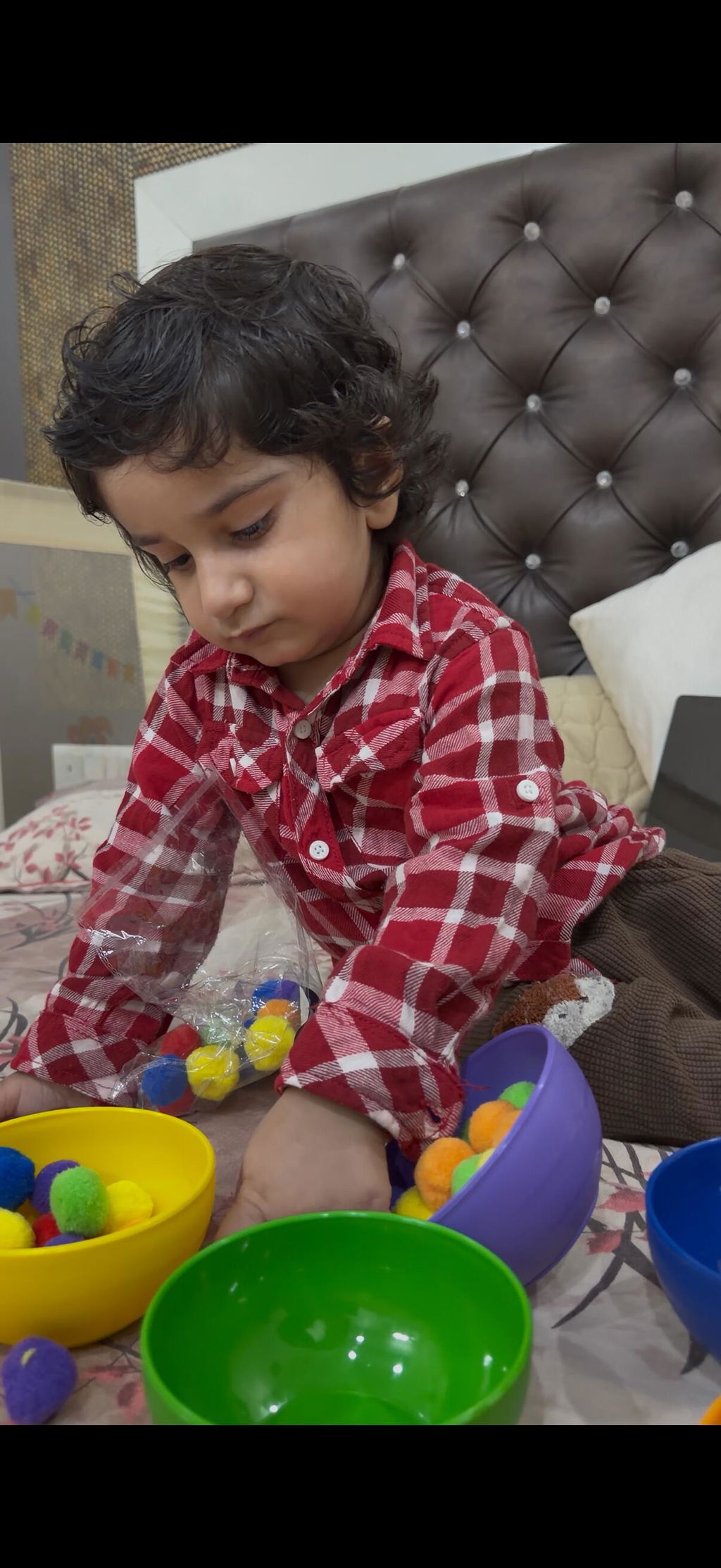
As children scoop rice, pick up pom-poms, use tweezers, pour beans, or pinch small objects, they strengthen the tiny muscles in their hands and fingers. These muscles are essential for everyday activities such as:
- Holding a pencil
- Using scissors
- Buttoning clothes
- Zipping jackets
- Self-feeding
- Drawing and writing
Simple actions repeated during sensory play naturally improve finger strength, hand control, and coordination without children even realizing they're practicing important life skills.
2. Encourages Cognitive Development : Sensory bins are excellent tools for developing young minds because they encourage children to think, observe, compare, and solve problems.
For example, children might:
- Sort objects by color or size.
- Count small items.
- Match shapes.
- Identify patterns.
- Classify animals or letters.
- Predict whether an object will sink or float.
These playful activities strengthen memory, logical thinking, and early math concepts while promoting independent learning.
3. Improves Language and Communication Skills : Sensory play creates countless opportunities for meaningful conversations.
As children explore, parents and teachers can introduce descriptive vocabulary such as:
- Soft
- Rough
- Smooth
- Heavy
- Light
- Wet
- Dry
- Sticky
- Round
- Tiny
Asking open-ended questions like "What does this feel like?" or "Can you find something bigger?" encourages children to express their thoughts and build communication skills.
Storytelling also becomes more engaging when themed sensory bins include animals, vehicles, ocean creatures, or construction tools.
4. Supports Sensory Processing : Every child experiences the world through their senses. Sensory bins help children process information by allowing them to safely explore different textures, temperatures, sounds, and movements. This type of play can be especially beneficial for children who are sensory seekers or those who need extra opportunities to become comfortable with different tactile experiences. Parents can easily adjust sensory bins according to a child's comfort level by choosing soft, dry, or messy materials based on individual preferences.

- Rs. 449.00
-
- Rs. 449.00
- Unit price
- per

- Rs. 349.00
-
- Rs. 349.00
- Unit price
- per


- Rs. 549.00
-
Rs. 549.00 - Rs. 549.00
- Unit price
- per


- Rs. 699.00
-
Rs. 799.00 - Rs. 699.00
- Unit price
- per


- Rs. 399.00
-
- Rs. 399.00
- Unit price
- per
5. Builds Creativity and Imagination : Unlike toys with fixed rules, sensory bins encourage children to create their own adventures. A bin filled with kinetic sand may become a dinosaur world today and a magical castle tomorrow. Colored rice can transform into a farm, a treasure hunt, or an underwater ocean scene. Open-ended play inspires creativity because there is no "right" or "wrong" way to explore. Children develop storytelling skills, imaginative thinking, and confidence as they invent their own games and scenarios.
6. Develops Hand-Eye Coordination : Many sensory bin activities require children to coordinate what they see with how they move their hands.
- Tasks such as:
- Filling containers
- Using spoons
- Scooping sand
- Pouring beans
- Picking up objects with tweezers all strengthen hand-eye coordination.
These foundational skills are important for sports, writing, drawing, building blocks, and everyday self-care activities.
7. Promotes Focus and Concentration : One of the most surprising benefits of sensory bins is how naturally they encourage children to slow down and concentrate. Children often spend 20 to 40 minutes deeply engaged in scooping, sorting, transferring, and exploring materials. This sustained attention helps improve concentration, patience, and task completion skills that support success both at home and in school. Instead of constantly seeking new entertainment, children become fully immersed in meaningful play that captures their curiosity.
8. Encourages Emotional Regulation : Sensory bins are more than just educational they can also have a calming effect on children. Repetitive actions like scooping, pouring, sifting, and digging help many children relax and regulate their emotions. For children who feel overwhelmed, anxious, or frustrated, sensory play provides a safe outlet to release energy and refocus. Many parents and educators use sensory bins during transition times or after busy activities to help children settle down. While sensory bins are not a substitute for professional support when needed, they can be a valuable part of a calm, nurturing play routine.
9. Supports Social Skills and Cooperative Play : When children play together with a sensory bin, they naturally learn important social skills.
They practice:
- Sharing tools and materials
- Taking turns
- Communicating ideas
- Solving small conflicts
- Working together on imaginative play
For example, one child may build a road while another drives toy vehicles through it. These collaborative experiences encourage teamwork, empathy, and communication.
Sensory bins are excellent for playdates, preschool classrooms, daycare centers, and sibling activities because they promote interaction without requiring strict rules.
10. Introduces Early STEM Learning : Sensory bins are a fun introduction to Science, Technology, Engineering, and Mathematics (STEM).
Children naturally begin asking questions such as:
- Which objects float or sink?
- Why does kinetic sand stick together?
- How many scoops fill this container?
- Which container holds more?
- Can I build a taller tower?
These simple discoveries encourage observation, experimentation, prediction, and problem-solving essential skills for future STEM learning. Adding measuring cups, funnels, magnets, toy insects, or alphabet letters can turn a simple sensory bin into an exciting educational experience.
Safety Tips for Sensory Play
- To make sensory play safe and enjoyable:
- Always supervise young children, especially when using small objects.
- Choose non-toxic, child-safe materials.
- Avoid choking hazards for babies and toddlers.
- Wash hands before and after sensory play.
- Store materials in airtight containers for future use.
- Replace fillers if they become dirty or damp.
- Select age-appropriate tools and toys.
- A safe environment allows children to explore with confidence while giving parents peace of mind.
Sensory bins may appear to be simple containers filled with everyday materials, but they offer extraordinary learning opportunities. From strengthening fine motor skills and improving language development to encouraging creativity, problem-solving, emotional regulation, and social interaction, sensory bins support every aspect of early childhood development. The beauty of sensory play is that it grows with your child. By changing themes, textures, and activities, you can continue challenging and inspiring young learners as they develop new skills. Most importantly, sensory bins remind us that children learn best through play. Every scoop, pour, sort, and discovery helps build the confidence, curiosity, and independence they need for lifelong learning.
Featured Products


- Rs. 399.00
-
- Rs. 399.00
- Unit price
- per
-
Multicolor
-
Black
-
Green
-
Yellow
- Rs. 349.00
-
- Rs. 349.00
- Unit price
- per
- Rs. 399.00
-
- Rs. 399.00
- Unit price
- per


- Rs. 1,099.00
-
- Rs. 1,099.00
- Unit price
- per