Top 10 Benefits of Sensory Play Mats for Children’s Development

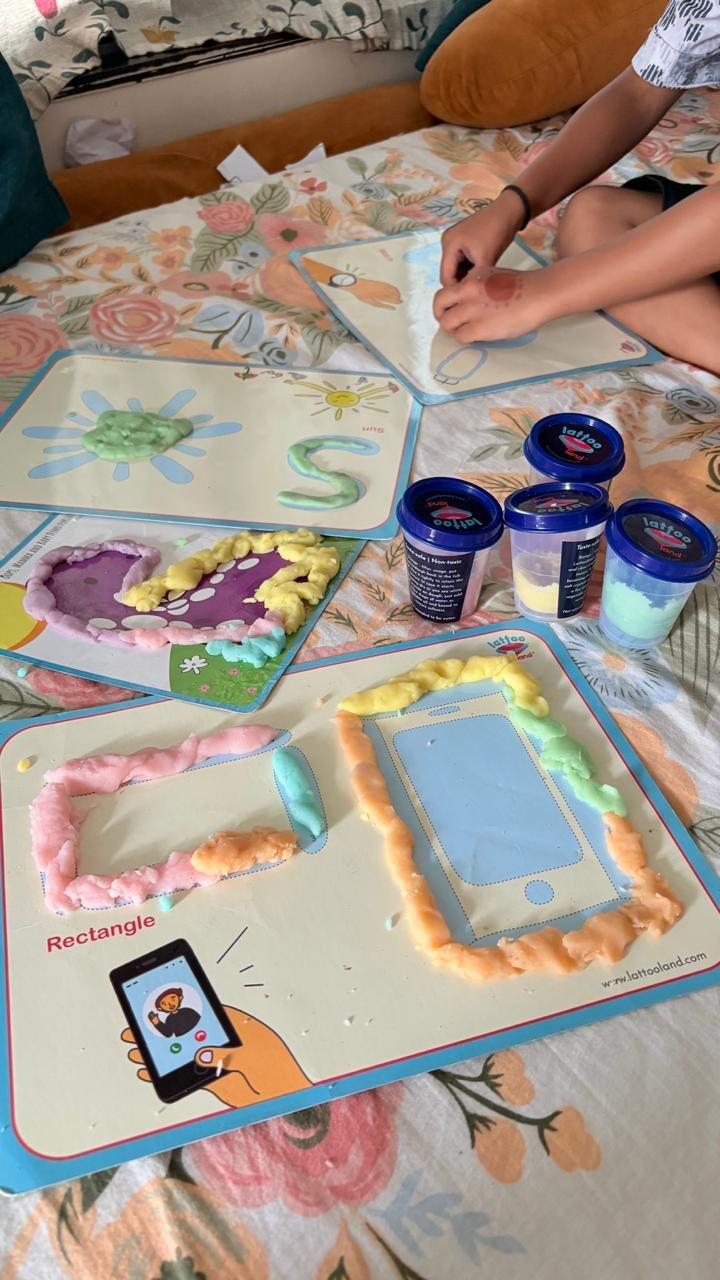
In today’s fast-paced, screen-heavy world, parents are constantly looking for ways to support their child’s early development in a fun, engaging, and meaningful way. One of the simplest yet most powerful tools you can introduce into your child’s routine is a sensory play mat. Sensory play mats are thoughtfully designed surfaces filled with textures, colors, patterns, and interactive elements that stimulate a child’s senses touch, sight, and sometimes even sound. Whether used during tummy time, independent play, or guided activities, these mats play a crucial role in early childhood development.
Let’s explore the top 10 benefits of sensory play mats and why they are a must-have for every growing child.
1. Stimulates multi-sensory development
The most fundamental benefit of a sensory play mat is right in the name sensory stimulation. High-quality mats incorporate contrasting colors, varied textures, embedded sounds, crinkle materials, and soft mirrors to simultaneously engage a child's sight, touch, hearing, and spatial awareness. During the critical early years (0–3), the brain forms approximately 1 million new neural connections per second. Every texture a baby fingers and every rattle they trigger builds the neural scaffolding that underpins all future learning. Different textures like soft fabric, ridges, bumps, and smooth surfaces help children explore the world through touch. Bright colors and patterns stimulate visual senses, helping the brain process sensory information effectively.
Shop our sensory play mats

- Rs. 799.00
-
Rs. 899.00 - Rs. 799.00
- Unit price
- per


- Rs. 539.00
-
Rs. 899.00 - Rs. 539.00
- Unit price
- per


- Rs. 699.00
-
- Rs. 699.00
- Unit price
- per


- Rs. 599.00
-
- Rs. 599.00
- Unit price
- per
2. Improves Fine Motor Skills
Tummy time play mats are specifically designed to encourage babies to lift their heads, roll over, push up on their arms, and eventually crawl all essential milestones for gross motor development. The cushioned, non-slip surface gives babies the secure, safe base they need to attempt these movements with confidence. Meanwhile, grasping small attached toys, pressing textured patches, and turning pages on fabric books embedded in the mat all develop fine motor dexterity and hand-eye coordination, the building blocks of writing, drawing, and self-care tasks. Activities such as grasping, pinching, and touching various elements on the mat help develop fine motor skills. These small movements strengthen hand muscles, which are essential for tasks like writing, buttoning clothes, and holding objects.
3. Boosts Cognitive Growth
When a baby reaches for a dangling toy on a activity play mat, they are not just playing they are problem-solving. Tracking a moving object, predicting where it will go, and adjusting their reach all activate the prefrontal cortex responsible for executive function. Mats with detachable toys, peek-a-boo flaps, and cause-and-effect features introduce early concepts of object permanence, spatial reasoning, and logical thinking. Research consistently links enriched early environments with higher IQ scores and stronger academic performance later in life. Sensory play encourages children to think, explore, and solve problems. As kids interact with different textures and objects, they begin to understand cause and effect, patterns, and spatial awareness key building blocks of cognitive development.
4. Encourages Independent Play
One of the underappreciated benefits of a well-stocked baby play mat is its ability to hold a child's attention independently. When a baby discovers that pressing a crinkle patch makes a sound or that pulling a loop toy brings it closer, they experience the intrinsic reward of self-directed discovery. This autonomy is crucial for building intrinsic motivation the internal drive to explore and learn for its own sake, rather than for external praise. Independent play also gives caregivers a brief, guilt-free respite, supporting parental wellbeing too. A well-designed sensory play mat can keep children engaged for longer periods, promoting independent play. This not only builds confidence but also allows children to explore at their own pace without constant adult intervention.
5. Supports Language Development
Colorful illustrated mats featuring animals, letters, numbers, and everyday objects give caregivers a natural prompt to narrate, label, and describe. This seemingly simple act of a parent saying "look at the big yellow duck!" while pointing at a mat illustration is a powerful language-learning moment. Studies in early childhood linguistics show that children who are exposed to rich verbal environments during play develop significantly larger vocabularies by age 3. A educational sensory play mat becomes a shared language stage between child and caregiver. As children interact with sensory mats, parents and caregivers can describe textures, colors, and actions. This continuous verbal interaction helps expand vocabulary and improves communication skills over time.
More baby sensory play picks


- Rs. 1,999.00
-
Rs. 2,299.00 - Rs. 1,999.00
- Unit price
- per

- Rs. 299.00
-
- Rs. 299.00
- Unit price
- per


- Rs. 699.00
-
Rs. 799.00 - Rs. 699.00
- Unit price
- per


- Rs. 399.00
-
- Rs. 399.00
- Unit price
- per
-
Choco Mud Brown
-
Bubblegum Pink
-
Calming Blue
-
Pastel Green
6. Promotes Tummy Time and Physical Development
For infants, sensory mats make tummy time more enjoyable. The engaging textures and visuals encourage babies to lift their heads, roll over, and reach out—helping strengthen neck, shoulder, and core muscles.
7. Strengthens parent-child bonding and attachment
Play is one of the primary languages of early attachment. When a caregiver gets down on the floor to share a interactive baby mat experience making eye contact, mirroring expressions, singing about the toys they are engaging in the back-and-forth "serve and return" interactions that build secure attachment. Harvard's Center on the Developing Child identifies serve-and-return interaction as the single most important factor in healthy brain architecture. A sensory mat gives parent and baby a shared, joyful context for precisely these interactions.
8. Encourages Creativity and Imagination
Children can use sensory mats in countless imaginative ways—creating stories, exploring textures, or using them as part of pretend play. This open-ended play fosters creativity and helps develop imaginative thinking.
9. Helps in Emotional Regulation
Sensory play has a calming effect on children. The repetitive actions of touching and exploring textures can help reduce anxiety and stress, making sensory mats especially beneficial for children who need emotional support or relaxation.
10. Builds Focus and Attention Span
Engaging sensory elements capture a child’s interest and encourage them to stay focused on a task for longer periods. Over time, this helps improve concentration and attention span skills that are essential for learning.
Why Choose Lattooland Sensory Play Mats?
At Lattooland, we understand the importance of early childhood development. Our sensory play mats are carefully designed using safe, child-friendly materials that stimulate curiosity and learning. Each mat is crafted to offer a mix of textures, colors, and interactive elements that keep your child engaged while supporting their developmental milestones.
Sensory play mats are more than just toys they are powerful learning tools that support a child’s physical, cognitive, and emotional growth. By incorporating sensory play into your child’s daily routine, you are giving them the opportunity to explore, learn, and grow in a fun and engaging way.
If you’re looking for a simple yet effective way to boost your child’s development, investing in a high-quality sensory play mat is a step in the right direction.
Featured Products
- Rs. 799.00
-
Rs. 899.00 - Rs. 799.00
- Unit price
- per


- Rs. 699.00
-
Rs. 999.00 - Rs. 699.00
- Unit price
- per


- Rs. 599.00
-
- Rs. 599.00
- Unit price
- per


- Rs. 749.00
-
- Rs. 749.00
- Unit price
- per