Top 10 Pincer Grasp Activities for Babies and Toddlers

Have you ever noticed your baby carefully picking up a tiny piece of cereal using just their thumb and index finger?
While it may seem like a simple milestone, this little movement marks an important stage in your child's development. Known as the pincer grasp, this skill lays the foundation for eating independently, drawing, writing, dressing, and many other everyday tasks. The best way to strengthen this skill isn't through worksheets or structured lessons it's through play. Engaging your little one in fun, hands-on activities helps develop fine motor skills while making learning enjoyable.
In this guide, we'll explore the top 10 pincer grasp activities for babies and toddlers, explain why this developmental milestone matters, and share tips to encourage healthy hand development at home.
What Is a Pincer Grasp?
A pincer grasp is the ability to hold and manipulate small objects using the thumb and index finger. Babies usually begin developing this skill between 9 and 12 months, although every child reaches milestones at their own pace . At first, babies use their whole hand to grab objects. Gradually, they learn to use just two fingers with greater control and precision. This small movement becomes the foundation for many everyday tasks, including:
This seemingly small achievement supports many future skills, including:
- Self-feeding
- Holding crayons and pencils
- Turning book pages
- Buttoning clothes
- Building with blocks
- Using scissors
- Writing letters and numbers
Developing a strong pincer grasp is one of the first steps toward improving fine motor skills and independence.
Why Are Pincer Grasp Activities Important?
Fine motor skills involve the small muscles of the hands and fingers. Strong finger control helps children complete everyday tasks with confidence.
Regular pincer grasp activities help toddlers:
- Build finger strength
- Improve hand-eye coordination
- Develop bilateral coordination
- Increase concentration
- Prepare for preschool and handwriting
- Encourage independent play
- Strengthen problem-solving abilities
The earlier children practice these movements through play, the easier later tasks like writing and cutting become.
Top 10 Pincer Grasp Activities for Babies and Toddlers
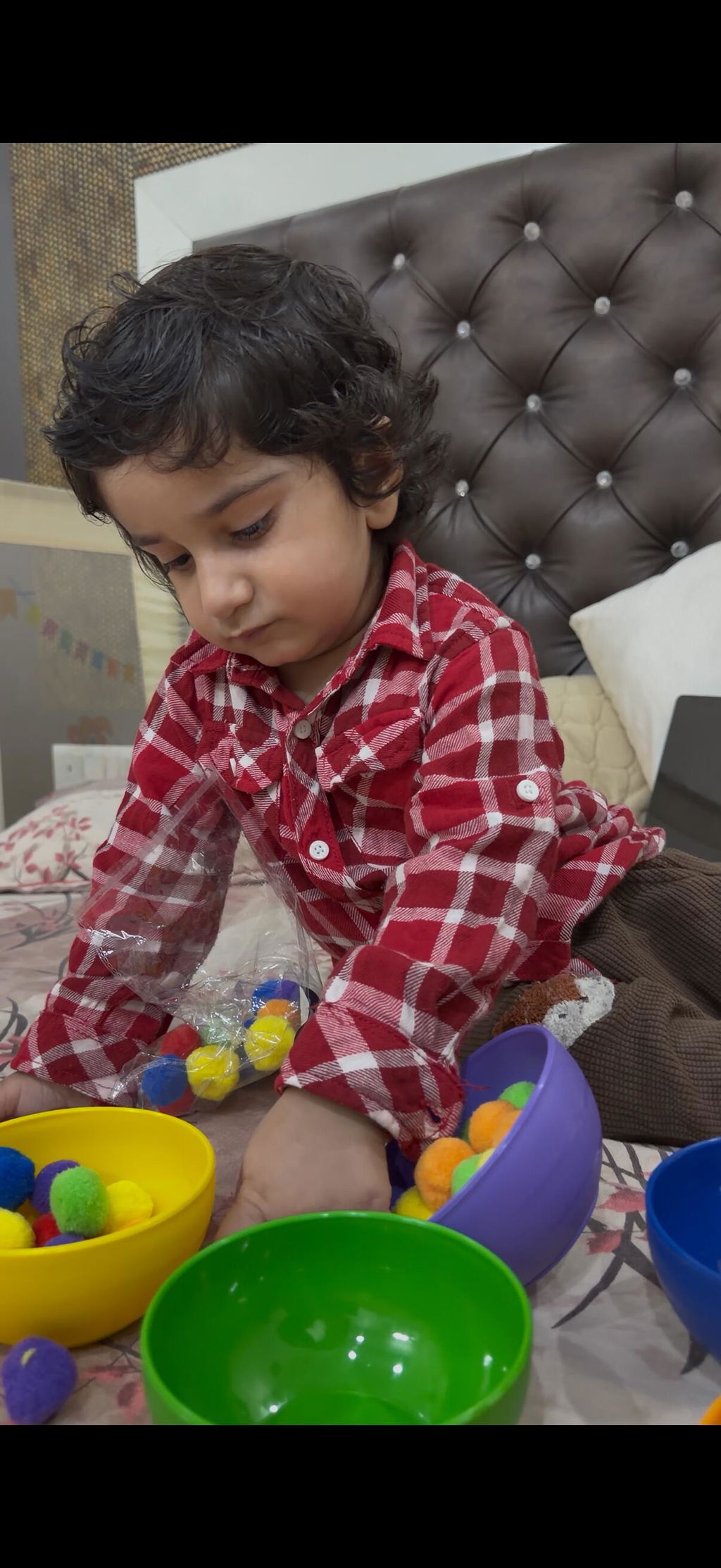
1. Pom-Pom Transfer Activity
Scatter colorful pom-poms on a tray and encourage your child to pick them up one at a time using their thumb and index finger. They can transfer them into bowls, muffin trays, or small cups.
Skills Developed:
- Pincer grasp
- Hand-eye coordination
- Color recognition
- Concentration
Safety Tip: Always supervise children closely when using small objects.
2. Sticker Peeling and Pasting
Peeling stickers from a sheet requires excellent finger control. Let your toddler remove stickers and place them onto paper, notebooks, or homemade artwork.
This activity strengthens finger muscles while encouraging creativity.
Skills Developed:
- Finger strength
- Precision
- Creativity
- Fine motor control

- Rs. 799.00
-
Rs. 999.00 - Rs. 799.00
- Unit price
- per


- Rs. 699.00
-
Rs. 999.00 - Rs. 699.00
- Unit price
- per


- Rs. 1,099.00
-
- Rs. 1,099.00
- Unit price
- per


- Rs. 799.00
-
Rs. 899.00 - Rs. 799.00
- Unit price
- per


- Rs. 299.00
-
- Rs. 299.00
- Unit price
- per
3. Self-Feeding Finger Foods
Snack time is one of the easiest ways to practice the pincer grasp naturally.
Offer bite-sized foods like:
- Banana slices
- Soft cooked vegetables
- Blueberries (cut if needed)
- Small cheese cubes
- Soft cereal pieces
Picking up food independently builds confidence while strengthening hand muscles.
4. Coin Drop Game
Use large toy coins or thick cardboard circles and encourage your toddler to drop them into a piggy bank or a container with a slot. This activity improves grasp control while teaching cause and effect.
Skills Developed:
- Finger coordination
- Wrist stability
- Hand control
5. Threading Large Beads
For older toddlers, threading large wooden beads onto a thick string is both fun and educational. Threading oversized wooden beads onto a thick lace is an excellent activity for older toddlers.
This activity develops:
- Finger strength
- Bilateral coordination
- Concentration
- Patience
Choose beads that are large enough to be completely safe for your child's age.
Besides strengthening the pincer grasp, threading improves patience, focus, and bilateral coordination.
6. Sensory Bin Treasure Hunt
Create a sensory bin using colored rice, dried pasta, shredded paper, or taste-safe sensory fillers. Hide larger toys or wooden shapes inside and encourage your child to find them using their fingers. Children naturally pinch, grasp, and explore while enjoying a rich sensory experience. Sensory bins stimulate multiple senses while naturally strengthening finger muscles.
7. Clothespin Clipping Challenge
Clipping clothespins onto the edge of a cardboard box or basket requires children to squeeze, pinch, and release using their thumb and fingers. It's one of the best activities for building the hand strength needed for writing later. For younger toddlers, choose larger, easy-to-open clips.
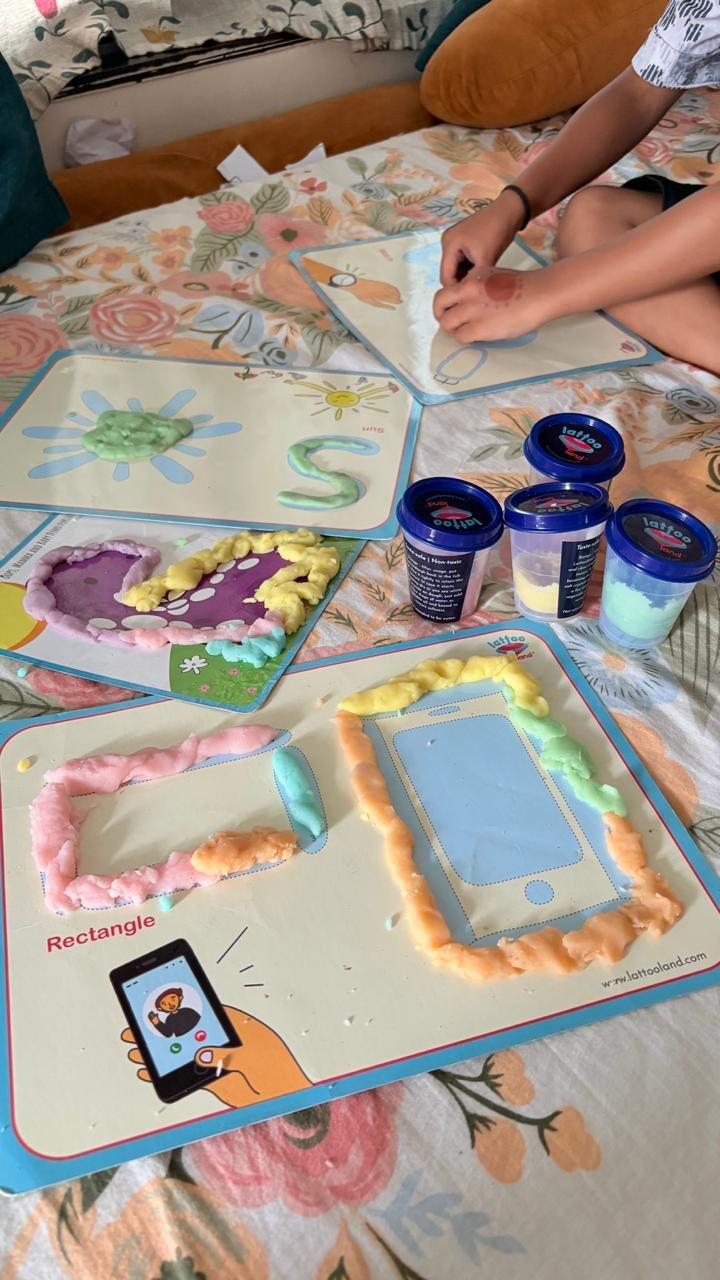
8. Play Dough Pinching Fun
Few activities strengthen little hands better than play dough.
Encourage your child to:
- Pinch small pieces
- Roll tiny balls
- Flatten dough
- Make small shapes
- Hide beads inside and remove them
Every movement works different muscles in the hands and fingers. Natural, non-toxic play dough is a wonderful sensory tool for children of all ages.
9. Tearing and Crumpling Paper
Provide tissue paper, newspaper, or colored craft paper for your toddler to tear into pieces and crumple into small balls. This simple activity develops finger strength while improving coordination and control. The paper balls can later be glued onto artwork, making it both a motor activity and a craft project.
10. Sorting Small Objects
Gather child-safe items such as wooden pegs, chunky beads, pom-poms, or large buttons.
Ask your toddler to sort them into different bowls by:
- Color
- Shape
- Size
- Type
This combines early learning concepts with repeated pincer grasp practice.
Tips to Encourage a Strong Pincer Grasp
Helping your child build stronger finger muscles doesn't require expensive toys or complicated activities. Simple everyday tasks like playing with dough, stacking blocks, drawing, or picking up small objects can naturally improve hand strength and coordination. Most importantly, don't rush the process. Every child develops fine motor skills at their own pace, and that's completely normal. With patience, encouragement, and regular practice, your child will gradually gain confidence and develop the skills they need for everyday activities.
Here are a few simple tips:
- Let your child feed themselves whenever possible.
- Offer age-appropriate sensory play regularly.
- Encourage open-ended play instead of screen time.
- Rotate activities to maintain interest.
- Avoid rushing or correcting every movement.
- Celebrate effort rather than perfection.
Remember, children learn best through repetition and play.
When Should Parents Be Concerned?
Every child develops differently, but you may consider speaking with your pediatrician or an occupational therapist if your baby:
- Doesn't attempt to pick up small objects by 12 months.
- Continues using only a full-hand grasp.
- Uses only one hand consistently.
- Shows little interest in manipulating toys.
- Has difficulty coordinating finger movements.
Early intervention can provide helpful strategies if additional support is needed.
The pincer grasp may seem like a tiny milestone, but it plays a huge role in your child's overall development. Every time your little one pinches a piece of cereal, peels a sticker, or rolls play dough, they're strengthening the muscles they'll later use for writing, dressing, crafting, and countless everyday tasks. The good part is that developing this skill doesn't require expensive learning materials. Simple, playful activities at home are often the most effective. By offering opportunities to explore, pinch, sort, squeeze, and create, you're helping your child build confidence, independence, and lifelong fine motor skills.
So grab some pom-poms, play dough, or a handful of stickers, and let the learning begin one tiny pinch at a time.
Featured Products


- Rs. 599.00
-
Rs. 999.00 - Rs. 599.00
- Unit price
- per

- Rs. 1,399.00
-
Rs. 1,999.00 - Rs. 1,399.00
- Unit price
- per


- Rs. 699.00
-
Rs. 799.00 - Rs. 699.00
- Unit price
- per

- Rs. 3,899.00
-
Rs. 4,499.00 - Rs. 3,899.00
- Unit price
- per