What Is Pincer Grasp in Child Development? A Complete Parent Guide

As babies grow, every small movement marks an important developmental milestone. One of the most exciting fine motor milestones is the pincer grasp. Parents often notice this skill when their baby starts picking up tiny objects like cereal pieces, small toys, or bits of food using their thumb and index finger. While it may seem like a simple action, the pincer grasp plays a major role in a child’s physical, cognitive, and sensory development.
In this complete parent guide, we’ll explain what pincer grasp is, when babies develop it, why it matters, signs of healthy development, and activities parents can use to encourage fine motor skills at home.
What Is Pincer Grasp?
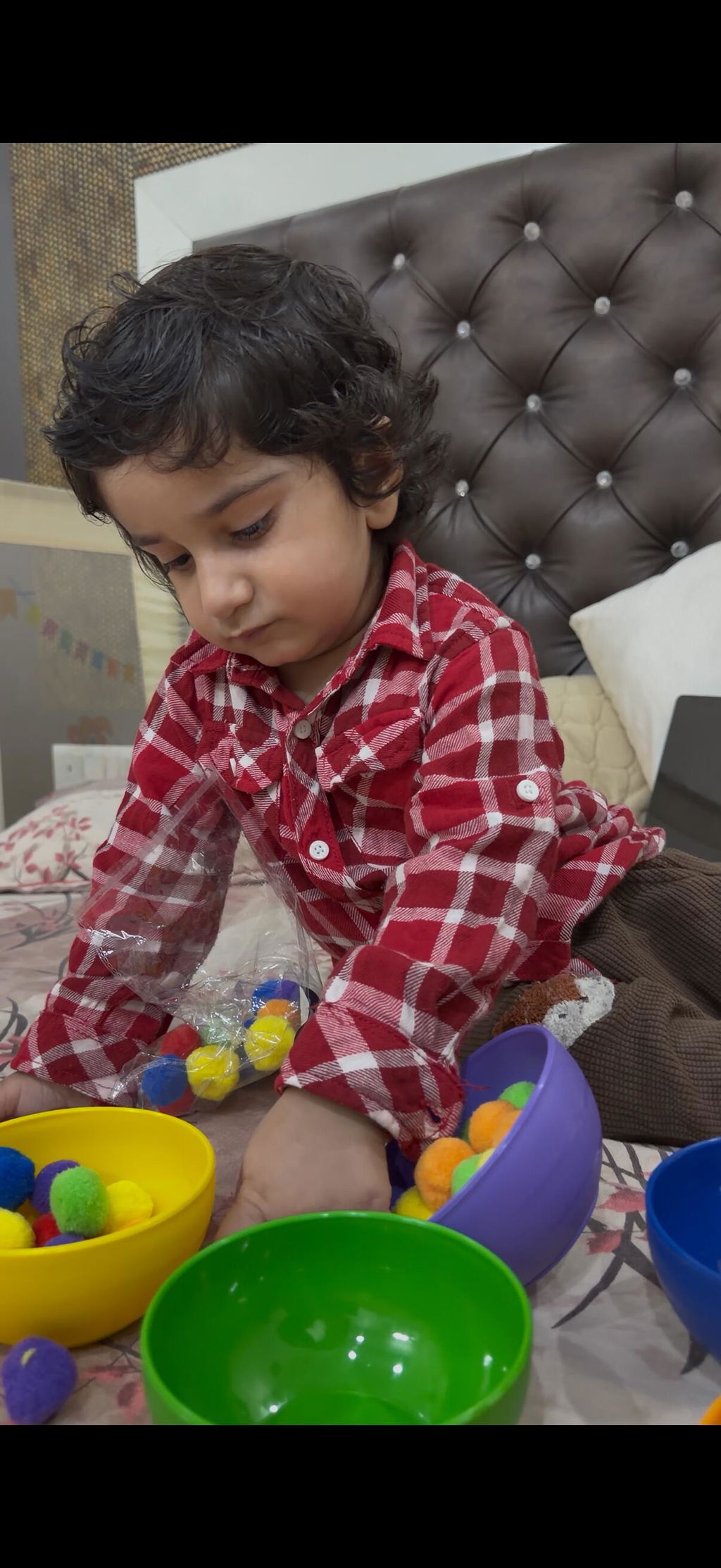
The pincer grasp is the ability to hold and pick up small objects using the tip of the thumb and the tip of the index finger. It is a crucial fine motor skill that helps babies gain better hand control and finger coordination. Before developing this skill, babies usually grab objects using their whole hand or palm, known as the palmar grasp. As their muscles strengthen and coordination improves, they begin using two fingers more precisely.
The pincer grasp is an important stage in child development because it prepares children for tasks such as:
- Self-feeding
- Holding crayons and pencils
- Turning pages in books
- Buttoning clothes
- Writing and drawing
- Using utensils independently
This milestone reflects the growth of hand-eye coordination, finger strength, and brain development.
When Does Pincer Grasp Develop?
Most babies begin developing the pincer grasp between 9 and 12 months of age. However, every child develops at their own pace.
Development Timeline
0–6 Months : Babies primarily use reflexive grasping. They hold objects by wrapping all fingers around them.
6–8 Months : Babies begin using a raking grasp, where they sweep objects toward themselves using all fingers.
9–10 Months : The early pincer grasp develops. Babies may use the thumb and side of the index finger to pick up small items.
10–12 Months : A refined pincer grasp appears. Babies can pick up tiny objects using the tips of their thumb and index finger with better precision.
Some children may develop this skill slightly earlier or later, which is generally normal.
Shop our pincer grasp activity toys


- Rs. 399.00
-
- Rs. 399.00
- Unit price
- per

- Rs. 150.00
-
- Rs. 150.00
- Unit price
- per


- Rs. 249.00
-
- Rs. 249.00
- Unit price
- per


- Rs. 699.00
-
Rs. 799.00 - Rs. 699.00
- Unit price
- per
Why Is Pincer Grasp Important?
The pincer grasp is more than just picking up small things. It is directly connected to a child’s overall development.
1. Supports Fine Motor Development
Fine motor skills involve small muscle movements in the hands and fingers. The pincer grasp strengthens these muscles and improves dexterity.
2. Encourages Independence
Once babies can pick up food independently, they become more confident during mealtime and daily activities.
3. Builds Hand-Eye Coordination
Picking up tiny objects requires visual focus and controlled finger movements, improving coordination between the eyes and hands.
4. Prepares for Writing Skills
The same finger muscles used in the pincer grasp later help children hold pencils, crayons, and scissors properly.
5. Enhances Cognitive Development
Manipulating small objects helps babies explore textures, shapes, and sizes, stimulating brain development and problem-solving abilities.
Signs Your Baby Is Developing Pincer Grasp
Parents may notice several signs as this skill develops.
Common Signs Include:
- Picking up finger foods independently
- Using thumb and index finger together
- Transferring objects from one hand to another
- Attempting to grab tiny toys or crumbs
- Improving accuracy while reaching for objects
- Showing curiosity about small items
- Babies often practice repeatedly as they refine their finger coordination.
The Role of Sensory Play in Pincer Grasp Development
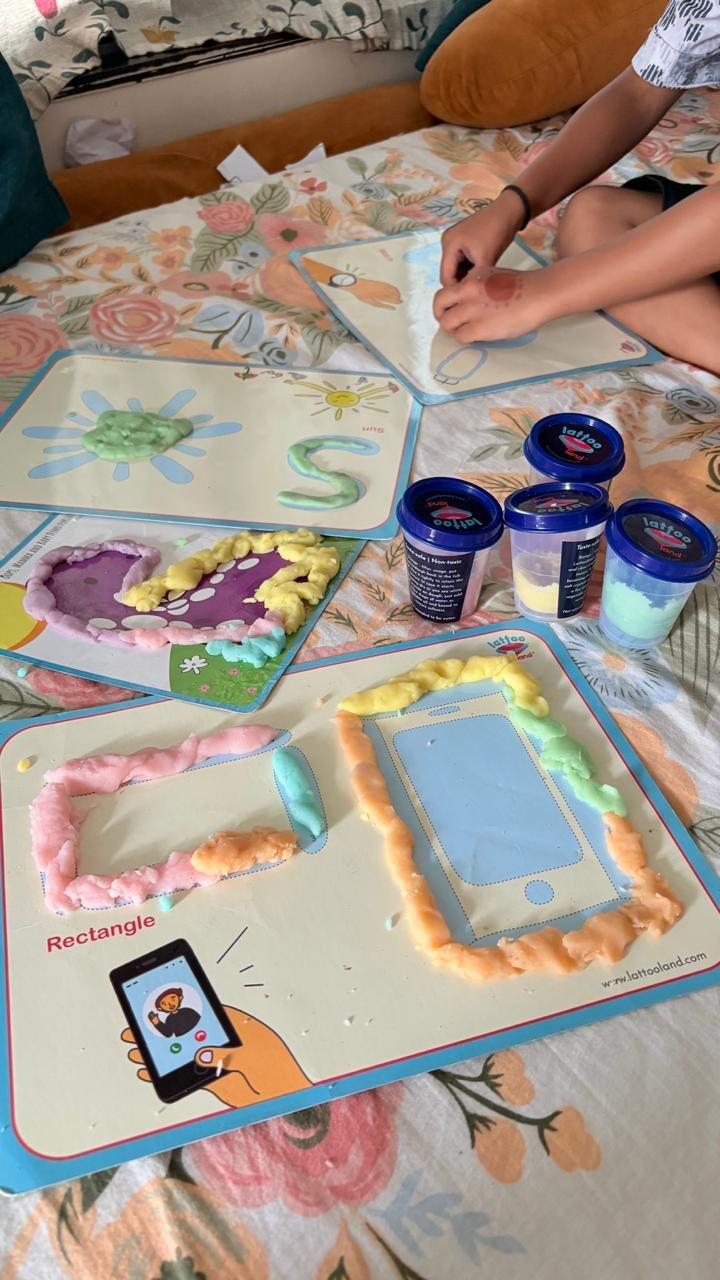
Sensory play is highly beneficial for fine motor growth. Activities involving textures, scooping, pouring, pinching, and sorting naturally strengthen finger muscles.
Sensory experiences also help children:
- Improve concentration
- Build creativity
- Develop problem-solving skills
- Enhance tactile awareness
- Improve motor planning
Popular sensory play materials include:
More fine motor play picks


- Rs. 599.00
-
Rs. 749.00 - Rs. 599.00
- Unit price
- per

- Rs. 1,399.00
-
Rs. 1,999.00 - Rs. 1,399.00
- Unit price
- per


- Rs. 599.00
-
- Rs. 599.00
- Unit price
- per

- Rs. 499.00
-
Rs. 799.00 - Rs. 499.00
- Unit price
- per
- Sensory rice
-
Colored pasta
-
Kinetic sand
- Water beads
-
Play dough
- Nature-based sensory fillers
These activities make learning both educational and enjoyable.
The pincer grasp is an essential milestone in child development that supports independence, coordination, and future learning skills. Although it may appear simple, this small movement helps lay the foundation for writing, self-feeding, problem-solving, and everyday activities. Parents can encourage healthy pincer grasp development through sensory play, educational toys, finger foods, and engaging fine motor activities. Most importantly, children learn best through play, exploration, and consistent encouragement.
By understanding the importance of the pincer grasp and supporting your child’s fine motor journey, you can help them build confidence and important lifelong skills from an early age.