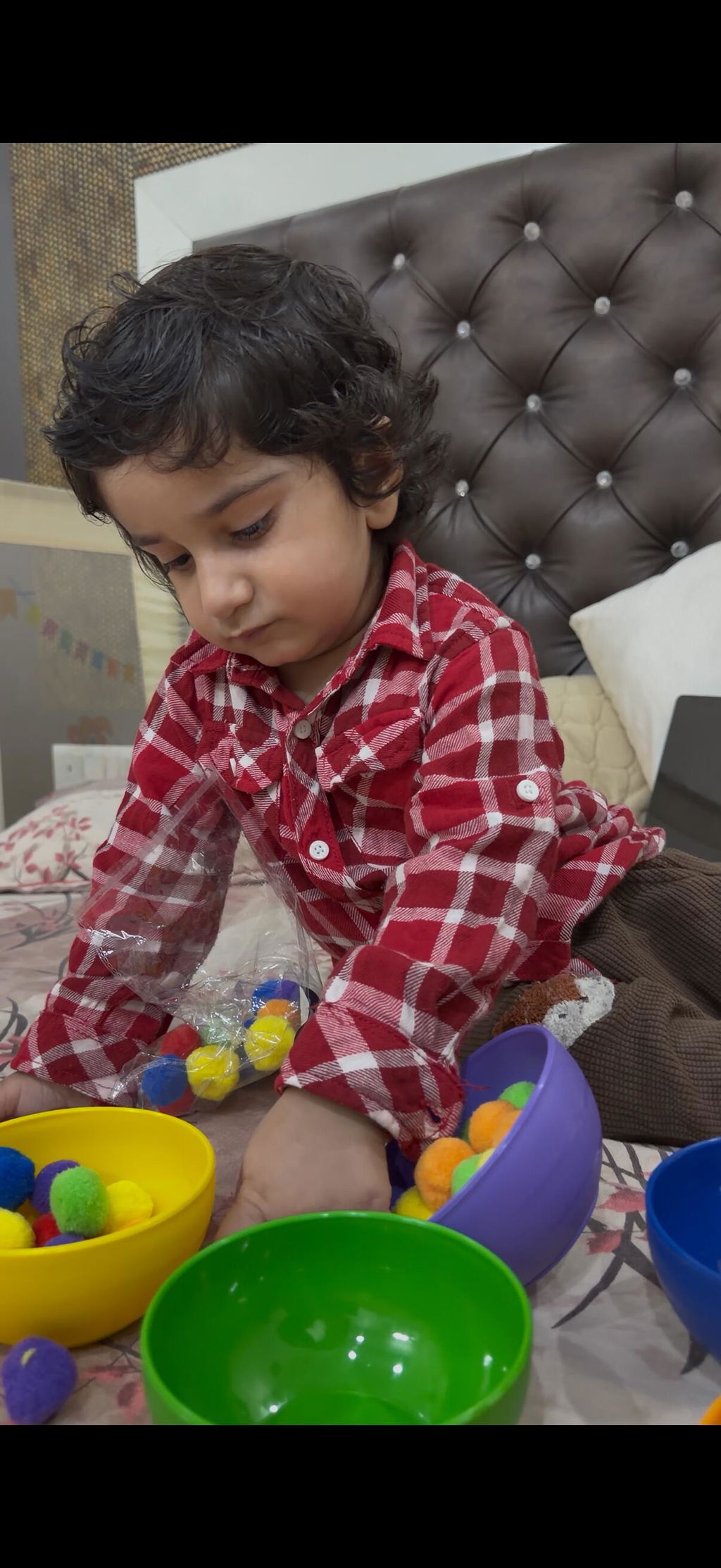
Why Every Preschool Classroom Needs Sensory Bins for Better Learning

Preschool classrooms are more than places where children learn letters and numbers they're environments where curiosity, creativity, and confidence begin to grow. One of the most effective tools for supporting early childhood development is the sensory bin. A sensory bin is much more than a container filled with rice, sand, beans, or other materials. It is a carefully designed learning station that encourages children to touch, scoop, pour, sort, build, imagine, and discover. These simple, hands-on learning stations encourage children to explore different textures, colors, and materials while developing essential cognitive and motor skills.
Whether you're a preschool teacher, daycare owner, homeschool parent, or early childhood educator, adding sensory bins to your classroom can dramatically improve children's learning outcomes.
What Are Sensory Bins?
A sensory bin is a container filled with materials that stimulate one or more of a child's senses. These bins often include fillers like:
- Colored rice
- Play sand
- Water beads
- Goo Powder
- Chickpeas
- Pasta
- Kinetic sand
- Shredded paper
- Play dirt
- Pom-poms
- Natural materials like leaves, stones, or shells
Children use tools such as scoops, tweezers, cups, bowls, funnels, and toy figures to interact with these materials while learning through play.
Why Sensory Bins Are Important in Preschool
1. Sensory Bins Support Brain Development
During the preschool years, children's brains develop rapidly. Every new texture, sound, movement, and experience creates important neural connections.
When children:
- Scoop rice
- Pour beans
- Dig through sand
- Hide and find objects their brains are constantly processing information.
Sensory experiences improve:
- Memory
- Concentration
- Problem-solving
- Observation skills
- Cognitive flexibility
Hands-on learning activates multiple parts of the brain at the same time, making concepts easier to understand and remember.
2. Improves Fine Motor Skills
Fine motor development is one of the biggest reasons preschool teachers use sensory bins every day.
Activities like:
- Picking up pom-poms with tweezers
- Scooping rice
- Pouring beans
- Rolling play dough
- Digging with mini shovels strengthen the small muscles in children's hands.
These hand muscles are essential for:
- Writing
- Drawing
- Cutting with scissors
- Buttoning clothes
- Holding pencils correctly
Strong fine motor skills prepare preschoolers for kindergarten success.
3. Encourages Independent Learning
Sensory bins allow children to explore at their own pace without worrying about getting the "right answer. Unlike worksheets that often have only one correct answer, sensory bins encourage open-ended exploration where children are free to experiment, test ideas, solve problems, and make their own discoveries. This child-led approach builds confidence by allowing them to make independent decisions without the pressure of being right or wrong. Instead of relying on memorization, children learn naturally through curiosity, hands-on experiences, and creative thinking, making learning more meaningful and enjoyable.
Open-ended play encourages:
- Creativity
- Decision-making
- Experimentation
- Confidence
- Problem-solving
Each child discovers something different through exploration.
4. Builds Language and Vocabulary
Sensory play provides rich opportunities for children to develop their language and communication skills by encouraging them to describe what they see, touch, and feel.
Teachers can introduce words like:
- Smooth
- Rough
- Colors
- Textures
- Heavy
- Light
- Sticky
- Soft
- Wet
- Dry
- Full
- Empty
As children interact with different materials, they naturally ask questions and engage in conversations.
Questions like:
- What does it feel like?
- Which one is bigger?
- Can you find the blue pompoms?
- How many animals can you count?
These interactions help children expand their vocabulary, improve sentence formation, strengthen listening skills, and build confidence in expressing their thoughts. When children participate in group sensory play, they also engage in conversations with their peers, enhancing social communication, turn-taking, and collaborative language skills in a natural and enjoyable way.


- Rs. 1,099.00
-
- Rs. 1,099.00
- Unit price
- per


- Rs. 499.00
-
Rs. 599.00 - Rs. 499.00
- Unit price
- per


- Rs. 499.00
-
Rs. 599.00 - Rs. 499.00
- Unit price
- per


- Rs. 1,799.00
-
Rs. 2,199.00 - Rs. 1,799.00
- Unit price
- per


- Rs. 399.00
-
- Rs. 399.00
- Unit price
- per
-
Multicolor
-
Black
-
Green
-
Yellow
5. Supports STEM Learning
Many preschool STEM concepts begin inside a sensory bin.
Children naturally explore:
- Science
- Floating and sinking
- Textures
- Weather
- Nature
- Cause and effect
- Technology
- Counting
- Sorting
- Matching
- Measuring
- Comparing sizes
- Patterns
Without realizing it, children are practicing foundational STEM skills through play.
6. Develops Social Skills
Sensory bins become wonderful collaborative learning stations.
Children learn how to:
- Share materials
- Wait their turn
- Work together
- Solve conflicts
- Respect others' ideas
Pretend play often emerges naturally, encouraging teamwork and creative storytelling.
These experiences strengthen emotional intelligence alongside academic development.
7. Encourages Creativity and Imagination
Unlike electronic toys that offer pre-programmed entertainment, sensory bins inspire endless opportunities for imaginative and creative play. The same set of materials can become something completely different each day based on a child's imagination. One day, colored rice might transform into a busy construction site, a dinosaur habitat, or a hidden treasure hunt. The next day, it could become a peaceful farm, an underwater ocean adventure, or a magical fairy garden. This open-ended style of play encourages children to invent stories, explore new ideas, solve imaginary challenges, and express their creativity freely. By allowing endless possibilities, sensory bins keep children engaged while nurturing imagination, problem-solving skills, and independent thinking.
8. Helps Children Regulate Emotions
Many preschool teachers use sensory bins as calming activities.
The repetitive motions of:
- Scooping
- Pouring
- Digging
- Stirring
- Sifting
Sensory play helps children relax, self-regulate, and regain focus throughout the school day. It is especially beneficial during transition times, morning arrivals, quiet corner activities, or moments of emotional overwhelm. Exploring different textures and materials has a calming effect, helping children feel more settled, attentive, and ready to learn.
9. Makes Learning More Engaging
Children remember experiences better than lectures. Instead of simply teaching colors, teachers can hide colored objects inside a sensory bin. Instead of teaching numbers with flashcards, children count hidden animals or letters while digging.
Learning becomes exciting because children are actively participating rather than passively watching.
10. Supports Inclusive Classrooms
Every child has a unique way of learning, and sensory bins offer an inclusive, hands-on approach that supports a wide range of learning styles. Whether a child is a visual, tactile, or kinesthetic learner, sensory play provides meaningful opportunities to explore concepts through touch, movement, and observation. These activities are especially beneficial for children with diverse learning needs and are widely used in early intervention and inclusive preschool classrooms. Since there is no pressure to find the "right" answer or perform in a specific way, every child can participate confidently, learn at their own pace, and build skills in a supportive, engaging environment.
Best Themes for Preschool Sensory Bins
Changing themes throughout the year keeps learning fresh and exciting.
Popular preschool sensory bin ideas include:
- Alphabet Sensory Bin
- Number Hunt Bin
- Farm Animals
- Dinosaur Dig
- Construction Site
- Ocean Adventure
- Rainbow Rice Bin
- Space Exploration
- Winter Wonderland
- GardenNature Bin
- Community Helpers
- Transportation
- Under the Sea
- Bug Discovery
- Seasonal Harvest Bin
Each theme can reinforce classroom lessons while encouraging exploration.
Tips for Setting Up Sensory Bins in Preschool
- Choose age-appropriate fillers.
- Rotate themes every few weeks.
- Add learning tools like scoops, tweezers, measuring cups, and funnels.
- Introduce letters, numbers, shapes, or matching objects.
- Supervise children at all times.
- Establish simple cleanup routines.
- Encourage open-ended exploration instead of giving step-by-step instructions.
A well-organized sensory station becomes one of the most visited learning centers in any preschool classroom.
Why Preschool Teachers Love Sensory Bins
- Teachers appreciate sensory bins because they:
- Keep children engaged for longer periods.
- Support multiple learning objectives at once.
- Require minimal preparation.
- Can be reused with different themes.
- Encourage independent learning.
- Promote classroom collaboration.
- Reduce screen time.
- Create joyful learning experiences.
With just one sensory bin, educators can teach literacy, math, science, fine motor skills, social interaction, and creativity all through play.
Sensory bins are far more than a fun classroom activity they are a powerful educational tool that nurtures every aspect of a child's development. From strengthening fine motor skills and building language to encouraging creativity, emotional regulation, and early STEM concepts, sensory play transforms everyday learning into meaningful experiences.
For preschool classrooms, investing in sensory bins means creating an environment where children learn naturally through exploration, curiosity, and hands-on discovery. Whether filled with colorful rice, play dirt, kinetic sand, or nature-inspired materials, sensory bins inspire confidence, collaboration, and a lifelong love of learning.
If you're looking to create a more engaging, inclusive, and development-focused preschool classroom, sensory bins are one of the simplest and most effective additions you can make.
Featured Products
- Rs. 399.00
-
- Rs. 399.00
- Unit price
- per
-
Multicolor
-
Black
-
Green
-
Yellow

- Rs. 349.00
-
- Rs. 349.00
- Unit price
- per


- Rs. 399.00
-
- Rs. 399.00
- Unit price
- per
- Rs. 1,099.00
-
- Rs. 1,099.00
- Unit price
- per