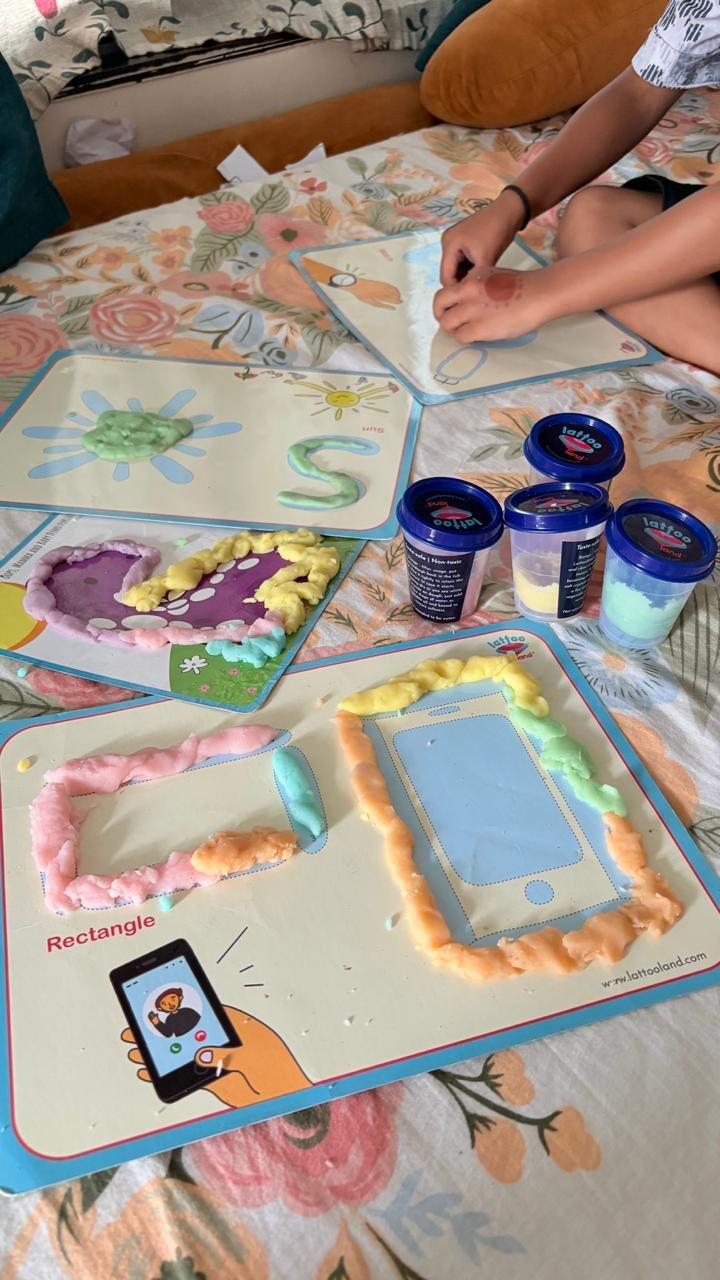
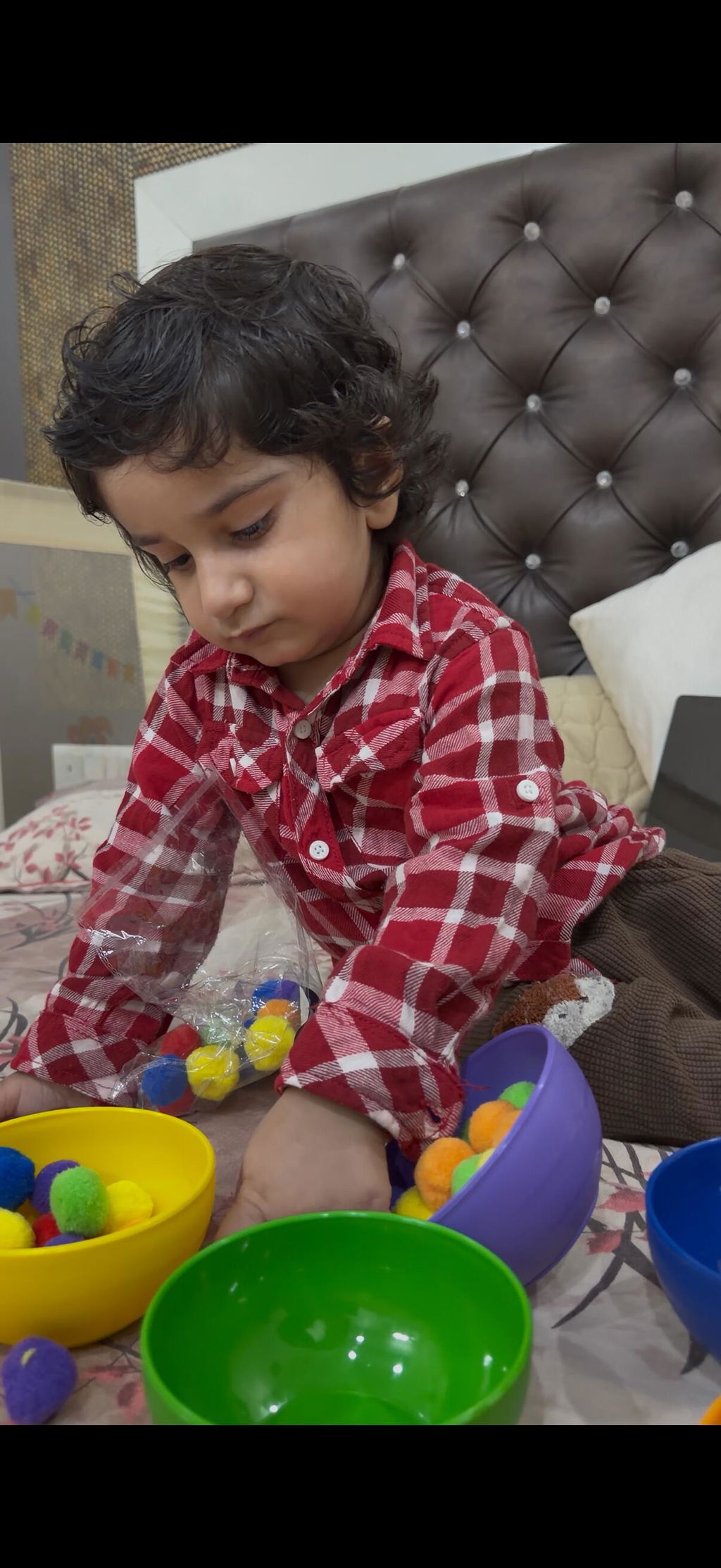
Why Kinetic Sand is the Best Screen-Free Toy for Kids

In a world where children are surrounded by blinking screens and notification pings . Every parent has faced the battle: peeling a child away from a tablet, negotiating "just five more minutes," or watching screen time silently balloon from twenty minutes into two hours. From smartphones to tablets and TV, screen time is at an all-time high often impacting attention span, creativity, and even sleep patterns. That’s why parents are actively searching for engaging, educational, and screen-free alternatives. Finding a toy that holds a child's attention as powerfully as a screen without being one can feel nearly impossible.
One toy that stands out above the rest is kinetic sand.
But kinetic sand isn't just a gimmick. The more you look at what it does for kids cognitively, emotionally, and physically the more it becomes clear that it isn't just a good toy. This simple yet incredibly versatile sensory toy has taken the parenting and early education world by storm and for good reason. In this blog, we’ll explore why kinetic sand is the best screen-free toy for kids, how it supports development, and why it deserves a place in every child’s playtime routine.


- Rs. 599.00
-
- Rs. 599.00
- Unit price
- per


- Rs. 599.00
-
Rs. 749.00 - Rs. 599.00
- Unit price
- per


- Rs. 399.00
-
- Rs. 399.00
- Unit price
- per
-
Red
-
Yellow
-
Green
-
Blue


- Rs. 899.00
-
- Rs. 899.00
- Unit price
- per

- Rs. 449.00
-
- Rs. 449.00
- Unit price
- per

- Rs. 1,399.00
-
Rs. 1,999.00 - Rs. 1,399.00
- Unit price
- per
What Exactly Is Kinetic Sand?
Kinetic sand is a specially designed type of sand that sticks together, making it easy to mold, shape, and sculpt without drying out. Unlike regular sand, it has a unique texture that feels soft and slightly wet, even though it’s completely dry. Kinetic sand is 98% real sand blended with a small amount of dimethicone, a non-toxic silicone oil. The result is a material unlike anything else: it flows like a liquid when poured, holds its shape when molded, cuts cleanly, and crumbles satisfyingly back into a pile. It sticks to itself but not to hands, surfaces, or clothing making it remarkably mess-friendly compared to traditional sand or clay. The name comes from its kinetic (movement-based) properties. Watch a child dig their hands into it for the first time and you'll understand instantly why it's addictive: the sensation is deeply pleasing in a way that's difficult to describe but impossible to ignore.
The Sensory Science Behind the Squish
Child development experts have long championed the importance of sensory play activities that engage the senses of touch, sight, sound, and smell to stimulate neural pathways in developing brains. When a child plays with kinetic sand, they aren't just having fun. Their brain is doing serious work. Sensory play builds nerve connections in the brain's pathways, which leads to the child's ability to complete more complex learning tasks. The tactile feedback from kinetic sand the resistance, the smoothness, the way it yields and reforms activates the somatosensory cortex, the part of the brain responsible for touch processing. This kind of hands-on engagement is simply not replicated by a touchscreen. For children with sensory processing differences, anxiety, or conditions like autism and ADHD, kinetic sand has shown particular promise. Its predictable, controllable texture provides what occupational therapists call "deep proprioceptive input," which can have a calming, regulating effect on the nervous system. Many parents report that even five to ten minutes with kinetic sand can visibly reduce a child's stress or hyperactivity.

Why Screen-Free Play Matters for Kids
Before diving into kinetic sand benefits, let’s understand why screen-free play is essential.
Excessive screen time has been linked to:
- Reduced attention span
- Lower creativity
- Poor sleep quality
- Limited social interaction
On the other hand, hands-on play helps children:
- Develop cognitive and motor skills
- Enhance imagination
- Improve emotional regulation
- Build real-world problem-solving abilities
This is where kinetic sand becomes a powerful alternative.

1. Boosts Creativity and Imagination
Kinetic sand is an open-ended toy, meaning there are no rules or fixed outcomes.
Kids can:
- Build castles
- Create animals
- Design shapes and patterns
- Pretend-play scenarios
Unlike screen-based games that provide predefined visuals, kinetic sand encourages children to create from their imagination.
This type of play:
- Strengthens creative thinking
- Encourages storytelling
- Develops independent play habits
2. Enhances Fine Motor Skills
Here's something most parents don't realize: when a child pinches, presses, rolls, and cuts kinetic sand, they are directly training the hand muscles needed for writing. Occupational therapists call this "pre-writing development," and it's one of the key foundations of early academic success. The varied resistance of kinetic sand firm enough to mold, soft enough to press creates a natural exercise routine for the small muscles of the hands and fingers. Children who engage regularly in this kind of manipulation tend to develop stronger pencil grip, better hand-eye coordination, and greater dexterity. It's a workout disguised as pure play. Playing with kinetic sand involves actions like:
- Squeezing
- Pinching
- Rolling
- Cutting
- Molding
These movements help strengthen small muscles in the hands and fingers, which are essential for:
- Writing
- Drawing
- Buttoning clothes
- Using tools
For toddlers and preschoolers, kinetic sand acts as a fun developmental tool disguised as play.
3. Provides Sensory Play Benefits
Kinetic sand is widely used in sensory play activities, which are crucial for early childhood development.
Its unique texture offers:
- Tactile stimulation
- Calming sensory input
- Stress relief
-
Sensory play helps:
- Improve focus
- Support brain development
- Regulate emotions
It’s especially beneficial for children who:
- Feel easily overwhelmed
- Have high energy levels
- Need calming activities
4. Reduces Screen Dependency Naturally
One of the biggest challenges for parents is reducing screen time without causing frustration.
Kinetic sand works because:
- It’s highly engaging
- It keeps kids occupied for long periods
- It provides instant satisfaction through touch and creation
Instead of forcing kids to leave screens, kinetic sand naturally replaces screen time with meaningful play.
5. Encourages Independent Play
Kinetic sand allows children to play independently without constant supervision.
Benefits include:
- Builds confidence
- Improves focus and patience
- Encourages problem-solving
Parents get a much-needed break while kids remain engaged in productive play.
6. Mess-Free and Easy to Clean
One of the biggest concerns with play materials is mess but kinetic sand solves that problem.
- It Sticks to itself, not surfaces
- Doesn’t dry out
- Is easy to collect and store
Compared to traditional sand or clay, it’s a low-maintenance option for indoor play.
7. Safe and Non-Toxic for Kids
High-quality kinetic sand is:
- Non-toxic
- Safe for kids
- Designed for repeated use
Parents can feel confident allowing their children to explore and play freely.
8. Supports STEM Learning
Kinetic sand isn’t just fun it’s educational too.
Kids learn:
- Shapes and structures
- Cause and effect
- Basic physics concepts (like balance and stability)
Through building and experimenting, children develop early STEM skills without even realizing it.
9. Perfect for All Age Groups
Kinetic sand is suitable for:
- Toddlers (with supervision)
- Preschoolers
- School-age kids
Even older children enjoy sculpting and creative projects, making it a long-lasting investment.
10. Promotes Social Interaction
When kids play together with kinetic sand, they:
- Share tools and ideas
- Collaborate on creations
- Improve communication skills
- It becomes a great activity for:
- Playdates
- Classroom learning
- Family bonding time
How to Use Kinetic Sand for Maximum Benefits
To get the most out of kinetic sand, try these ideas:
1. Themed Play
Create themes like:
- Beach day
- Construction site
- Dinosaur world

2. Learning Activities
- Practice alphabets and numbers
- Shape recognition
- Counting games
3. Sensory Bins
Combine kinetic sand with:
- Toys
- Scoops
- Molds
4. Creative Challenges
Encourage kids to:
- Build the tallest tower
- Create a mini city
- Design patterns
Tips for Parents
- Store kinetic sand in an airtight container
- Use a tray or mat for easy cleanup
- Rotate tools to keep play interesting
- Encourage free play instead of structured rules
Most toys have a shelf life measured in weeks. Kinetic sand for kids has a shelf life measured in years. A two-year-old uses it to smoosh and pour. A four-year-old builds castles. A seven-year-old creates landscapes with roads and rivers. A ten-year-old recreates scenes from their favorite books or films. The material doesn't change, but what the child does with it expands in direct proportion to their growing imagination and capability. This longevity makes kinetic sand one of the best values in children's toys. It doesn't require batteries, updates, or expansions. It doesn't break when dropped. It doesn't become obsolete. It simply waits patiently in its bin until a child reaches in and starts building worlds.
In the search for toys that genuinely compete with screens, kinetic sand stands apart. It engages the senses, builds essential developmental skills, fuels imagination, and calms busy minds all without a single pixel. It is tactile in an increasingly touchless world, slow in an increasingly fast one, and open-ended in an era of curated digital experiences.
If you want to give your child something that truly holds their attention, grows with them, and supports their development every time they play, kinetic sand is one of the best choices you can make. It’s not just a toy it’s a powerful developmental tool that blends fun, creativity, and learning. In today’s screen-dominated world, kinetic sand offers a refreshing, hands-on alternative that meaningfully engages children, supports their overall growth, and encourages exploration through play, making it a valuable addition to any child’s playtime.
Featured Products


- Rs. 599.00
-
Rs. 999.00 - Rs. 599.00
- Unit price
- per
- Rs. 1,399.00
-
Rs. 1,999.00 - Rs. 1,399.00
- Unit price
- per


- Rs. 699.00
-
Rs. 799.00 - Rs. 699.00
- Unit price
- per

- Rs. 3,899.00
-
Rs. 4,499.00 - Rs. 3,899.00
- Unit price
- per