Summer Vacation Activities for 3-Year-Olds at Home

Summer vacations are the perfect time to bond with your little one and introduce them to fun, engaging, and educational activities. But when you have a 3-year-old at home, keeping them entertained throughout the day can feel like a challenge. Every parent of a three-year-old knows one universal truth: toddlers do not enjoy being bored. With boundless energy, endless curiosity, and a natural love of play
The good news? You don’t need expensive toys or outdoor trips to keep your toddler happy. With a little creativity, you can turn your home into a space full of learning and fun.
In this blog, we’ll explore simple and engaging summer vacation activities for 3-year-olds at home that help improve motor skills, creativity, and cognitive development.

- Rs. 3,899.00
-
Rs. 4,499.00 - Rs. 3,899.00
- Unit price
- per

- Rs. 1,399.00
-
Rs. 1,999.00 - Rs. 1,399.00
- Unit price
- per


- Rs. 699.00
-
Rs. 799.00 - Rs. 699.00
- Unit price
- per


- Rs. 1,799.00
-
Rs. 2,199.00 - Rs. 1,799.00
- Unit price
- per
Why Summer Activities Are Important for 3-Year-Olds
At three years old, children enter one of the most exciting phases of early development. Their brains are growing rapidly, and every moment of play is quietly building something important language, problem-solving, emotional regulation, and physical coordination. This isn't incidental; play is the work of childhood. Research in child development consistently shows that both unstructured and semi-structured play at home fosters creativity, resilience, and independent thinking qualities that stay with children long after the summer ends. And the best news for parents? You don't need a toy store run or a Pinterest-perfect setup. Most of what your 3-year-old needs to thrive this summer is already waiting in your kitchen, backyard, and craft drawer.
At this age, curiosity isn't something you have to manufacture it's already there, brimming and ready. Your job is simply to give it somewhere to go.
- Structured yet fun activities help in:
- Improving fine and gross motor skills
- Boosting creativity and imagination
- Enhancing problem-solving abilities
- Building focus and attention span
- Encouraging independent play
Summer is the ideal time to nurture these skills through playful learning.
1. Sensory Play Activities
Sensory play is one of the best ways to engage toddlers. It stimulates their senses and supports brain development while improving focus and creativity.
Ideas:
- Colored rice or pasta bins
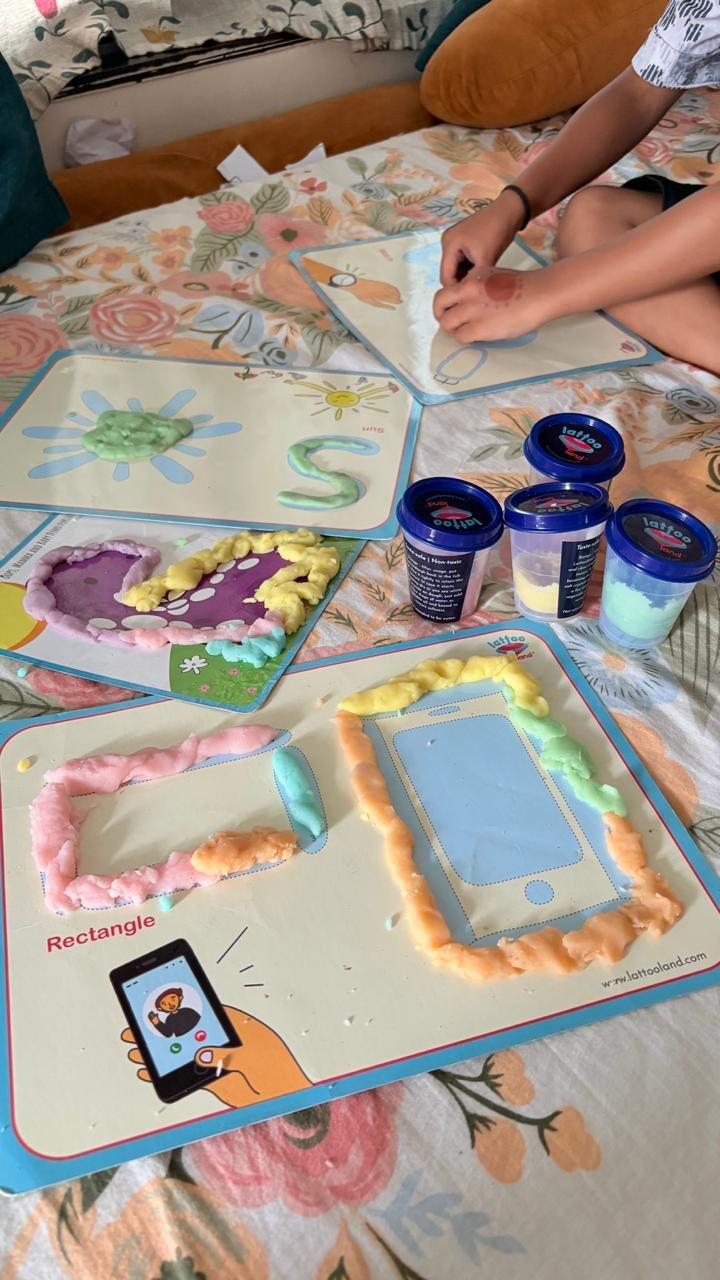
- Clay dough play with tools
- Kinetic Sand play using a small tub

Pro Tip: Add small toys, scoops, or containers to make the experience more interactive, allowing your child to pour, dig, and discover while learning through play.
2. Water Play Fun
Nothing beats water play during summer. It’s refreshing, fun, and keeps toddlers happily engaged while helping them stay cool. It also supports sensory exploration and improves coordination.
Activities:
- Fill buckets with water and let your child pour and transfer
- Use plastic cups, spoons, and funnels
- Create a mini “car wash” with toy vehicles
These simple activities build motor skills and encourage hands-on learning in an enjoyable way.
Pro Tip: Always supervise your child during water play and keep the setup safe to ensure a fun and worry-free experience.
3. DIY Art & Craft Time
DIY Art & Craft Time is a great way to inspire creativity and self-expression in toddlers. It gives children the freedom to explore different colors, textures, and shapes while enjoying a fun and engaging learning experience.
Ideas:


- Rs. 599.00
-
Rs. 749.00 - Rs. 599.00
- Unit price
- per


- Rs. 2,999.00
-
Rs. 2,999.00 - Rs. 2,999.00
- Unit price
- per
- Rs. 3,899.00
-
Rs. 4,499.00 - Rs. 3,899.00
- Unit price
- per
- Rs. 1,399.00
-
Rs. 1,999.00 - Rs. 1,399.00
- Unit price
- per


- Rs. 699.00
-
Rs. 999.00 - Rs. 699.00
- Unit price
- per
- Rs. 699.00
-
Rs. 799.00 - Rs. 699.00
- Unit price
- per
- Finger painting
- Paper tearing and pasting
- Coloring with crayons
- Sponge painting

These simple activities help develop fine motor skills, improve hand strength, and enhance imagination through hands-on play.
Pro Tip: Let your child explore freely without focusing on perfection, making the experience enjoyable and boosting their confidence.
4. Pre-Writing Activities
Pre-Writing Activities are essential for building the hand control toddlers need before they begin writing. These activities strengthen finger muscles and improve coordination in a fun, playful way.
Activities:
- Tracing lines and shapes
- Playing with playdough
- Threading beads (large size for safety)
- Drawing patterns in sand or flour

These simple exercises help develop fine motor skills, hand-eye coordination, and pencil grip.
Pro Tip: Keep activities short and engaging, and always supervise your child to ensure safety while making learning enjoyable and stress-free.
5. Story Time and Role Play
Story Time and Role Play are engaging activities that help boost a toddler’s imagination and language skills. They encourage creativity, improve communication, and support emotional understanding through fun storytelling.
Ideas:
- Read picture books daily
- Use puppets or toys for storytelling
- Encourage your child to act out stories
These activities help expand vocabulary and build confidence in expressing thoughts and feelings.
Pro Tip: Ask simple questions and use different voices while telling stories to keep your child involved and make the experience more interactive and enjoyable.
6. Indoor Obstacle Course
Turn your home into a mini playground for your toddler and make playtime active and exciting. It’s a great way to keep kids engaged while supporting their physical development indoors.
Activities:
- Crawl under tables
- Jump over pillows
- Walk on a straight line (tape on floor)
These fun movements help improve balance, coordination, and overall body strength in a playful way.
Pro Tip: Keep the setup safe and simple, and encourage your child to repeat activities to build confidence, energy, and better motor skills through active play.
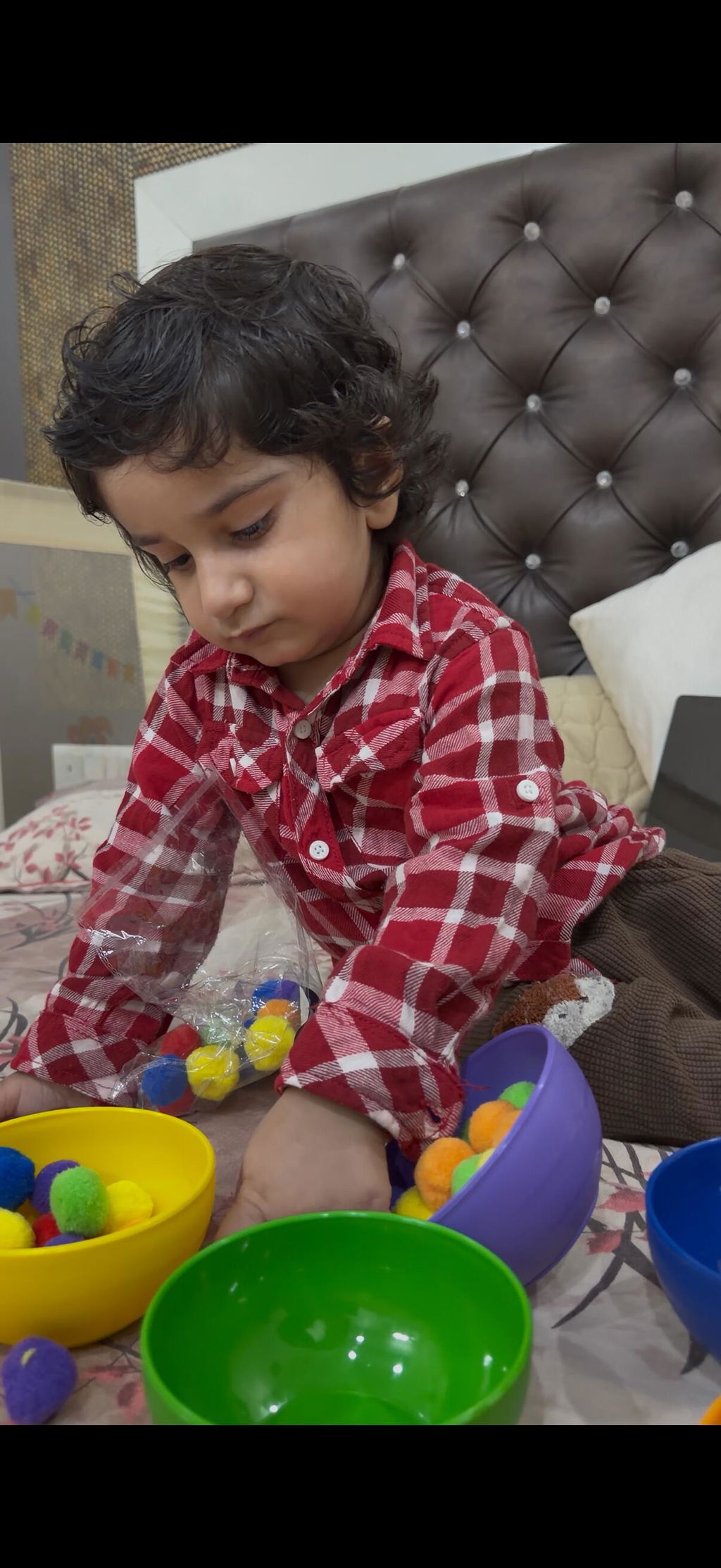
7. Sorting and Matching Games
Simple sorting activities are a great way to boost a toddler’s cognitive development and early learning skills. They help children recognize patterns, understand differences, and improve focus through hands-on play.
Ideas:
- Sort objects by color or shape
- Sorting & Pattern Recognition
- Use bowl for stacking and sorting

These engaging activities strengthen problem-solving abilities and support logical thinking in a fun way.
Pro Tip: Start with simple categories and gradually increase difficulty to keep your child challenged and interested while learning.
8. Music and Dance Time
Kids love music, and it’s a wonderful way to keep them active while supporting overall development. It encourages movement, creativity, and joyful learning through sound and rhythm.
Activities:


Tips for Parents
To make the most of these summer activities:
- Keep sessions short (15–30 minutes)
- Follow your child’s interest
- Avoid screen time as much as possible
- Rotate activities to avoid boredom
- Always ensure safety
Remember, the goal is not perfection but participation and fun.
Summer vacation doesn’t have to mean boredom or endless screen time. With these summer vacation activities for 3-year-olds at home, you can create a fun-filled routine that supports your child’s growth and development. The key is to keep things simple, interactive, and enjoyable. Even everyday household items can turn into exciting learning tools when used creatively.
So this summer, make every moment count by turning your home into a space full of laughter, learning, and unforgettable memories.
Featured Products


- Rs. 599.00
-
Rs. 999.00 - Rs. 599.00
- Unit price
- per
- Rs. 1,399.00
-
Rs. 1,999.00 - Rs. 1,399.00
- Unit price
- per
- Rs. 3,899.00
-
Rs. 4,499.00 - Rs. 3,899.00
- Unit price
- per
- Rs. 1,799.00
-
Rs. 2,199.00 - Rs. 1,799.00
- Unit price
- per