Top 10 Fine Motor Activities for Kids: Build Skills Through Play

Fine motor skills are the foundation of nearly everything a child does from holding a pencil to tying shoelaces, these small muscle movements play a big role in everyday tasks. Yet many parents and educators underestimate just how much intentional play can accelerate this critical development. Whether your child is a toddler just discovering their hands or a school-age kid preparing for handwriting, the right activities can make a world of difference.
The good news?
You don’t need expensive toys or complex setups simple play-based activities can significantly improve your child’s hand strength, coordination, and focus.
In this blog , we'll walk you through the best 10 fine motor activities for kids that are fun, easy to set up, and backed by child development experts. No expensive equipment needed just creativity and a willingness to get a little messy.
Top 10 Fine Motor Activities for Kids
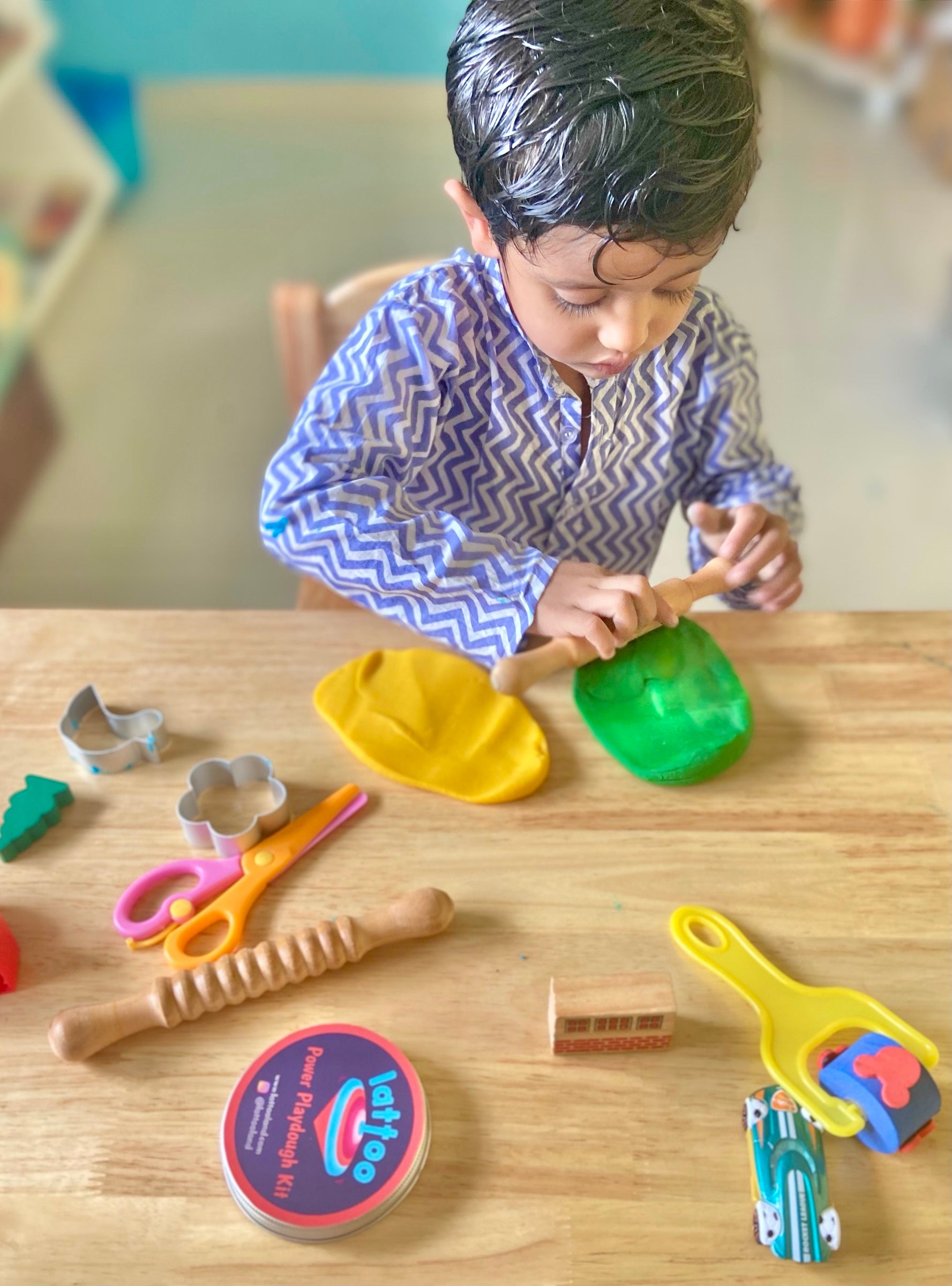
1. Playdough and Clay Sculpting Activities
Best for: Ages 2 and up
There's a reason playdough has been a classroom staple for decades it works. Rolling, pinching, squeezing, and shaping dough builds incredible hand and finger strength. Encourage children to make snakes, balls, animals, or even pretend food.
What kids can do:
- Roll, squeeze, and flatten dough
- Use cutters to create shapes
- Make letters or numbers
- Create Colorful Animals
- Shape Sorting & Matching

This activity improves finger strength and creativity while offering sensory benefits.
Pro tip: Use cookie cutters, craft sticks, and plastic tools to add variety. Homemade playdough with flour, salt, and cream of tartar is easy, non-toxic, and budget-friendly.
Skills developed: Pincer grasp, hand strength, bilateral coordination, creativity.
2. Threading and Lacing
Best for: Ages 2 and up
Threading large beads onto a shoelace or pipe cleaner may seem simple, but it delivers powerful developmental benefits. The Colored Pasta Sensory Toy is a great alternative for toddlers and preschoolers pasta shapes like penne and macaroni have holes just like beads, allowing kids to easily thread and explore. As children grow, you can gradually increase the challenge by introducing smaller beads, lacing cards, or even yarn with burlap to create a sewing-like experience that further enhances their fine motor skills and coordination.
How to start:
- Use large beads for toddlers
- Gradually introduce smaller beads
- Try pattern-making for older kids

3. Scissors and Cutting Practice
Best for: Ages 2 and up
Learning to use scissors is a major fine motor milestone. Start with thick strips of paper and child-safe scissors, progressing to cutting along lines, zigzags, curves, and eventually shapes.
Start with:
- Straight lines
- Curved lines
- Simple shapes
- Snip & Cut Practice
- Start with soft dough and child-safe scissors for easy cutting

Pro tip: Cutting play dough with plastic scissors is a great low-mess introduction for younger kids.
Skills developed: Bilateral hand coordination, hand strength, visual-motor integration
4. Pegboard and Geoboard Activities
Best for: Ages 2 and up
Pegboards and geoboards are excellent tools for strengthening little fingers and building fine motor skills in children. By placing pegs or stretching rubber bands across boards, kids improve hand strength, coordination, and control. These activities also support early math and problem-solving skills while keeping play engaging, creative, and educational for toddlers and preschoolers.
Activities include:
- Placing pegs into holes
- Creating shapes using rubber bands
- Pattern replication

5 Sorting and Counting Games
Best for: Ages 2 and up
Sorting and counting games are a fun and interactive way to build early math and cognitive skills in young children. Provide kids with objects like beads, buttons, colored pasta, or blocks and encourage them to sort by color, shape, or size. Once sorted, guide them to count each group, helping them understand numbers and quantity in a hands-on way.

Pro tip: Use everyday items or sensory materials to make learning more engaging and playful.
Skills developed: Number recognition, counting skills, problem-solving, hand-eye coordination, and logical thinking
6. Tracing Powder Play
Best for: Ages 2 and up
Tracing powder is a fun, mess-friendly way for kids to learn letters, alphabets, and shapes through hands-on sensory play. Simply spread a thin layer of powder on a tray and let children use their fingers or a brush to trace patterns, lines, and letters. This tactile activity makes early writing practice engaging while helping kids build confidence before using pencils.

Pro tip: Start with simple lines and shapes, then gradually move to alphabets and numbers for better control and learning.
Skills developed: Pre-writing skills, finger strength, hand-eye coordination, letter recognition, sensory development
7 Sensory Bins with Small Objects
Best for: Ages 18 months and up (with supervision)
Fill a bin with rice, sand, dried beans, or water beads and hide small objects inside. Children sift, scoop, pour, and retrieve items using their fingers, spoons, or tongs. This type of exploratory play is particularly powerful for sensory-sensitive children.
Skills developed: Tactile awareness, pincer grasp, bilateral coordination, focus

8. Tweezers and Tong Transfer Games
Best for: Ages 3 and up
Set up a simple sorting activity where children use tweezers or kitchen tongs to transfer pom-poms, cotton balls, or small objects from one container to another. This directly mimics the tripod grip used in writing.

Pro tip: Make it a game use an egg carton as the target and colored pom-poms for sorting by color.
Skills developed: Tripod grasp, pincer grip, hand-eye coordination, concentration
9. Finger Painting and Stamping
Best for: Ages 1 and up
Finger painting is one of the earliest fine motor experiences a child can have. Using individual fingers to paint, dab, or swirl strengthens isolated finger control. Stamping with sponges, foam shapes, or even vegetables adds another dimension of hand grip practice.
Skills developed: Isolated finger control, creative expression, tactile processing

10. Sticker Play
Best for: Ages 2 and up
Peeling stickers off backing paper and placing them precisely on a page is deceptively challenging for little fingers. Create sticker scenes, fill outlines, or make sticker mosaics. Dot stickers are particularly great for pre-writing activities.
Pro tip: Dot stickers placed along a path (like a road or river) encourage precision and hand control as children try to stay within the lines.
Skills developed: Pincer grasp, bilateral coordination, precision, hand-eye coordination
Tips for Making Fine Motor Practice Effective
- Getting the most out of these activities is all about consistency and environment:
- Short and frequent is better than long and rare. Even 10–15 minutes a day of purposeful fine motor play makes a significant difference over time.
- Follow the child's lead. Activities that are enjoyable get repeated, and repetition builds skill.
- Minimize frustration. If an activity is too hard, simplify it. If it's too easy, add a challenge. The sweet spot is just beyond their current comfort level.
- Use a proper seating position. Feet flat on the floor, table at elbow height — this gives kids the postural support they need to focus their energy on their hands.
- Praise effort, not just results. "I love how carefully you placed those beads" is more motivating than "Good job"
When to Be Concerned About Fine Motor Development
Every child develops at their own pace, but there are some general milestones to watch:
-
By age 2: Scribbling, stacking a few blocks, using a spoon
-
By age 3: Copying a circle, snipping with scissors, stringing large beads
-
By age 4: Drawing basic shapes, cutting along a line
- By age 5: Writing some letters, cutting simple shapes, dressing independently
If your child is significantly behind these milestones or seems to avoid hand-heavy activities, consider consulting a pediatric occupational therapist. Early intervention makes a big difference. Fine motor development doesn't happen overnight it's built through thousands of small, joyful moments of play. The top 10 fine motor activities for kids listed here aren't just exercises; they're invitations to explore, create, and grow.
Featured Products

- Rs. 1,399.00
-
Rs. 1,999.00 - Rs. 1,399.00
- Unit price
- per


- Rs. 699.00
-
Rs. 799.00 - Rs. 699.00
- Unit price
- per

- Rs. 799.00
-
Rs. 999.00 - Rs. 799.00
- Unit price
- per


- Rs. 1,099.00
-
- Rs. 1,099.00
- Unit price
- per